Comfortable indoor temperatures depend on equipment that operates efficiently year-round. For many properties, a modern heat pump system offers a smart alternative to separate furnaces and air conditioners. By transferring heat instead of generating it, these systems can reduce energy use, simplify mechanical equipment, and support consistent comfort. This guide explains why a heat pump installation is beneficial, highlighting energy efficiency, combined heating and cooling, and the range of configuration options available.
Energy Efficiency
Energy efficiency is one of the clearest reasons to consider a heat pump installation. Traditional electric resistance heaters create heat directly, while a heat pump moves thermal energy using a compressor and fans. That method usually requires less electrical input to deliver the same comfort level, which can help lower monthly utility bills over time.
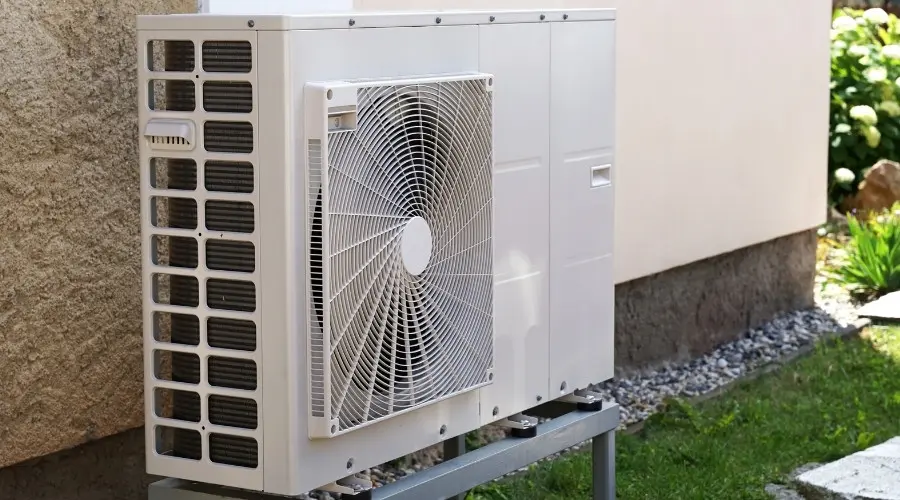
Modern air source heat pump models often include variable‑speed components that adjust output to match the exact heating or cooling demand. Running steadily at lower speeds instead of cycling on and off reduces waste and keeps temperatures more stable. When properly sized and installed, a heat pump system turns a large share of incoming electrical energy into useful heating or cooling.
Can Provide Both Heating and Cooling
Another major advantage is the ability of one unit to manage both heating and cooling. Instead of supporting a furnace in winter and a separate air conditioner in summer, a single outdoor heat pump and matching indoor equipment can cover the full year. In cold weather, the system behaves like a heater; during hot spells, it operates like a central AC.
This all‑in‑one approach simplifies equipment decisions for new homes and replacement projects. Service visits, filter changes, and thermostat programming focus on one primary system, which can make long‑term upkeep easier to plan and budget.
Various Options
Heat pumps are available in several formats to match different buildings and comfort goals. A ducted heat pump connects to existing air ducts and distributes conditioned air through supply registers in each room. This style suits homes that already rely on central ductwork.
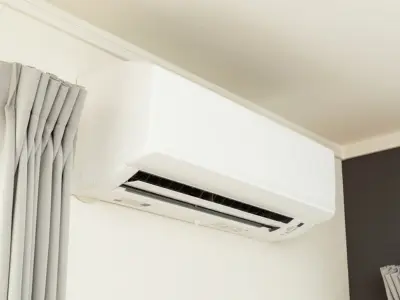
Where ducts are missing or limited, a ductless heat pump can be an excellent fit. Small indoor wall‑mounted or ceiling‑mounted units serve individual zones, allowing targeted temperature control in key areas. Most residential installations use an air source heat pump, which exchanges heat with outdoor air while offering a wide range of capacities and efficiency ratings.
About Meridian Heating, Cooling, Plumbing & Electrical
Meridian Heating, Cooling, Plumbing & Electrical offers a comprehensive range of plumbing, heating, air conditioning, and electrical services backed by superior customer service in Lansing and the surrounding areas. They partner with the best brands and utilize the latest technology, ensuring that their trusted technicians always provide cutting-edge service. Call them today for heat pump installation in Lansing, MI.
Stay Safe From Dangerous Gas Leaks by Identifying Them Quickly
Natural gas powers many furnaces, stoves, water heaters, and dryers. When everything is sealed and working properly, it is a safe, efficient fuel source. When a gas leak develops, however, it can create serious health and safety risks. Learning common signs of a gas leak helps households react quickly, leave the area, and call professionals for gas leak repair. This guide covers unusual smells and sounds, higher-than-expected gas bills, and physical gas-leak symptoms in both people and pets.
Strange Smells or Sounds
One of the most widely known signs of a gas leak is a strong, unusual odor. To make leaks easier to detect, utilities add an odorant to natural gas that smells like sulfur or rotten eggs. If that smell lingers near a gas line, appliance, or meter, it may indicate that gas is escaping from the system rather than remaining contained.
Sound can also reveal hidden problems. Pressurized gas escaping through a crack, pinhole, or loose connection can create a:
Soft hissing noise near exposed piping or valve assemblies
Whistling sound around flexible connectors or appliance hookups
These noises may be faint and more noticeable in a quiet room. Any combination of sulfur‑like odor and hissing around natural gas equipment should be taken very seriously. The safest response is to leave the building, avoid using electrical switches or open flames, and contact emergency services before arranging for inspection and repair by a licensed technician.
Higher Gas Bill
Not all leaks are easy to smell or hear, especially if they occur outdoors or in partially ventilated spaces. In those situations, the gas bill may provide the first clue that something is wrong. When a gas bill rises sharply despite typical usage patterns, extra fuel may be leaving the system through a hidden leak.
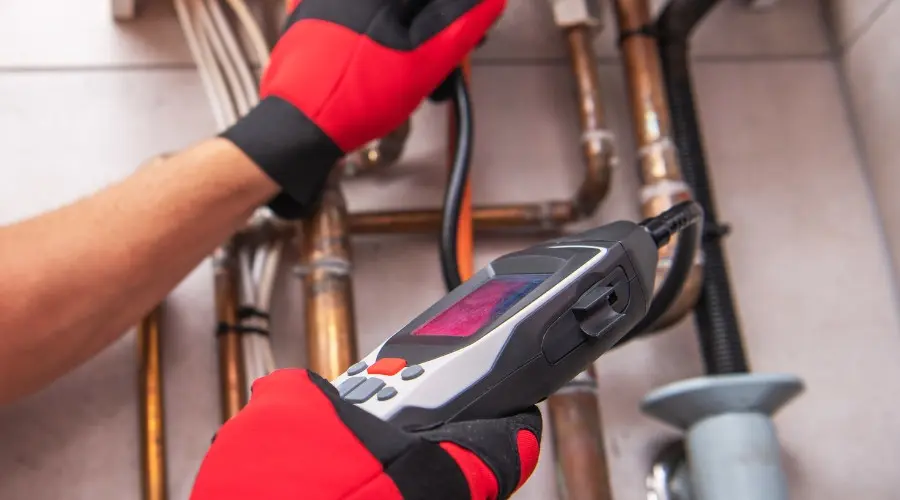
Tracking monthly bills makes spotting this kind of change easier. Comparing current charges to the same season in previous years helps determine whether colder weather alone explains the increase. If costs stay elevated for several billing cycles without a clear reason, an inspection of the gas system is a wise precaution. A licensed professional can test for leaks, evaluate appliances and piping, and carry out any needed gas line repair to restore safe, efficient operation.
Physical Symptoms
Gas leaks can affect the health of people and pets before damage to equipment becomes obvious. As gas leaks displace oxygen in indoor air, occupants may begin to experience gas-leak symptoms even before an odor is noticed. In people, these may include:
Irritated eyes, nose, or throat
Headaches, dizziness, or confusion
Nausea, vomiting, or loss of appetite
Fatigue or unusual drowsiness
Shortness of breath or other breathing difficulties
Pets are often more sensitive because of their smaller size and proximity to the floor, where gas can concentrate. Common warning signs in animals include:
Sudden loss of appetite
Vomiting or excessive drooling
Weakness, unsteadiness, or collapse
Rapid or labored breathing
If multiple people or pets develop unexplained symptoms around the same time, particularly in areas where gas appliances operate, a leak should be suspected. Leaving the building immediately and contacting emergency responders is essential before arranging professional gas leak repair.
About Meridian Heating, Cooling, Plumbing & Electrical
Meridian Heating, Cooling, Plumbing & Electrical has been a trusted name in the plumbing, heating, cooling, and electrical industries since 1984, proudly serving the communities of Lansing and the surrounding areas with full-service solutions. Community-minded, professional, and employing only the most trusted technicians, customer satisfaction is guaranteed. Call them today for gas line repairs in Lansing, MI.
The Advantages of an EV Charging Station Installation
As electric vehicles continue to grow in popularity, many drivers are looking for better ways to keep their cars charged and ready for daily use. Relying solely on public EV charging stations can be inconvenient and time‑consuming, especially during busy hours or in areas with limited access. Installing an electric vehicle charging station at home offers a practical solution, providing convenience, potential cost savings, and even a boost in property value. This overview explores the key benefits of electric vehicle charging station installation, including time savings, lower fueling costs, and the appeal it adds to modern homes.
Convenient and Saves Time
One of the most compelling reasons to invest in an electric vehicle charging station installation is convenience. With a dedicated EV charger at home, an electric vehicle can be plugged in as soon as the driver returns, eliminating the need for frequent trips to public EV charging stations. Instead of planning detours around available chargers or waiting in line during peak hours, charging simply becomes part of the normal daily routine.
Home EV charger installation also allows charging to happen overnight or during downtime at home. For many drivers, this means starting each day with an electric car that is already charged and ready to go, without any extra stops on the way to work or school. This can be especially helpful in regions where weather or traffic make additional errands less desirable.
In addition, a home electric vehicle charging station gives drivers more control over when and how long the vehicle is charged. Rather than being limited by time restrictions or pricing structures at public EV charging stations, a household can schedule charging sessions to match its routines. This flexibility turns electric vehicle chargers from a chore into a convenience that supports both daily commutes and longer weekend trips.
Cost Savings
Beyond convenience, an EV charging station installation can offer significant cost benefits over time. In many cases, charging an electric car at home is more cost‑effective than relying on public chargers, especially fast‑charging stations that may charge premium rates. When a household can plug into its own electric service, it often gains better predictability and control over fueling costs.
With a home EV charger, drivers can take advantage of any available off‑peak or time‑of‑use electricity rates offered by local utilities. Charging during lower‑cost periods can help reduce the overall expense of powering an electric vehicle. Over months and years, those savings can add up, offsetting a portion of the initial electric vehicle charger installation cost.
Electric vehicle chargers installed at home can also reduce wear and tear associated with frequent fast charging at public EV charging stations. While public infrastructure remains important for long trips, having a primary charger at home allows most routine charging to be done at more moderate speeds, which many experts consider beneficial for battery longevity. All of this contributes to a more economical and sustainable ownership experience for electric vehicle drivers.
Increased Property Value
An EV charger installation can also enhance the appeal and value of a property. As more people switch to electric vehicles, features that support convenient charging are becoming increasingly attractive to homebuyers and renters. A professionally installed electric vehicle charging station signals that a property is modern, forward‑thinking, and ready to meet the needs of current and future EV owners.
For multi‑vehicle households or properties with garages and driveways, having one or more electric vehicle chargers already in place simplifies life for anyone who drives an electric car. Real estate listings that highlight an existing EV charging station installation often stand out in competitive markets, particularly in neighborhoods where EV adoption is growing.
From an investment perspective, electric vehicle charger installation can be viewed as an upgrade similar to adding energy‑efficient appliances or smart home technology. It aligns with broader trends toward sustainability and reduced emissions, making the property more appealing to environmentally conscious buyers. By integrating EV charging stations into the home now, property owners position themselves ahead of the curve as electric vehicles become the norm rather than the exception.
About Meridian Heating, Cooling, Plumbing & Electrical
Meridian Heating, Cooling, Plumbing & Electrical is Lansing’s preferred plumbing, heating, cooling, and electrical company, offering superior customer service and highly trained technicians. Expect quality service and a fast response when you call them for electrical vehicle charging station services in Lansing, MI.
Preparing for winter is easier—and less costly—when the heating system receives routine care. Annual heating maintenance improves day‑to‑day comfort, stabilizes energy usage, reduces surprise breakdowns, and helps equipment last longer. This overview explains how scheduled heater maintenance enhances efficiency, why tune-ups prevent mid-season failures, and how a consistent furnace maintenance plan prolongs system life.
Improved Efficiency and Lower Costs
When a heating system is clean, calibrated, and allowing air to move freely, it doesn’t need to work as hard to deliver comfortable temperatures. Routine heater maintenance focuses on the basics that most affect efficiency: cleaning burners and heat exchangers, checking airflow and temperature rise, and confirming that controls and sensors are set correctly. Small adjustments in a heating system maintenance visit can translate into more consistent comfort with fewer, shorter run cycles.
Airflow is central to performance, which is why an air filter and furnace filter deserve special attention. A dirty filter restricts air, forcing the blower to run longer to push heat through the home. Regular air filter replacement—matched to the household’s lifestyle, pets, and filter type—keeps airflow strong and heat delivery even across rooms. For many homes, a monthly check prevents a clogged filter from undermining efficiency. When thicker media is used, a planned furnace filter replacement interval helps keep air paths open and reduces strain on motors and heat exchangers.
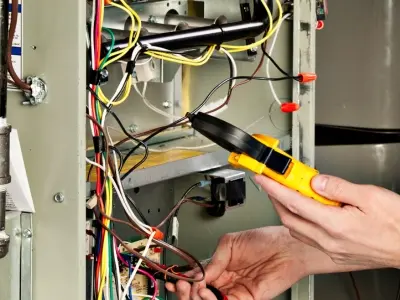
Beyond filtration, technicians address hidden efficiency losses. Loose electrical connections, worn belts, or incorrectly set fan speeds can each chip away at performance. A thorough heating maintenance checklist also looks for duct leaks and blocked returns that can starve the system of air. Correcting these details helps the furnace reach its setpoint faster and maintain it with less energy, which is often noticeable on utility statements over the course of the season.
More Reliable With Fewer Repairs
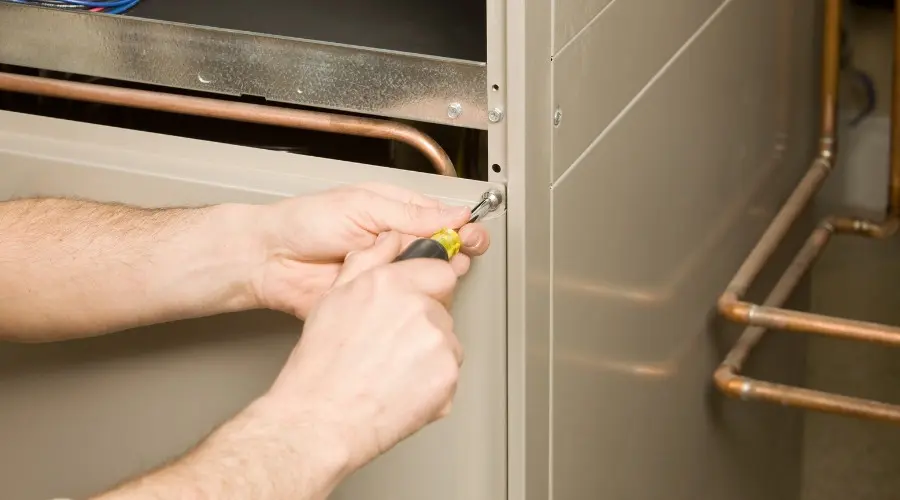
Breakdowns rarely happen without warning; they happen when early symptoms go unnoticed. Scheduling furnace maintenance before peak heating demand allows a trained professional to identify wear that could lead to an outage later. Common findings include weak igniters, cracked or brittle belts, intermittent sensors, and failing capacitors—components that can cause nuisance shutdowns when temperatures drop.
Routine heater maintenance also verifies safety and control sequences. Limit switches, pressure switches, and flame sensors must respond promptly to keep the system running smoothly and safely. When these parts are dirty or out of alignment, short cycling, lockouts, or erratic operation can follow. Catching and correcting small faults under controlled conditions is less expensive than responding to emergency calls during a cold snap and prevents stress on more expensive components.
A home that receives scheduled heating system maintenance typically experiences more predictable operation through winter’s coldest nights. With calibrated controls, a clean combustion path, and sound electrical connections, the system starts reliably, runs steadily, and recovers quickly after setbacks like door openings or thermostat adjustments. The result is fewer interruptions, fewer urgent visits, and a calmer heating season overall.
Longer Lifespan
Furnaces and air handlers are built to run for many years, but longevity depends on care. Dust, vibration, heat, and moisture each play a role in wear. Regular furnace maintenance counters these forces by cleaning heat‑transfer surfaces, lubricating moving parts where applicable, tightening connections, and confirming correct airflow so components are not overworked.
Neglected filters are a common cause of premature wear. When an air filter is clogged, the blower motor and heat exchanger experience stress from restricted airflow, which can shorten service life. Simple, consistent air filter replacement or furnace filter replacement prevents heat buildup and keeps temperatures within design limits. Likewise, clearing returns and supply registers of obstructions allows heat to move freely, lowering strain across the system.
Over time, a well‑planned maintenance routine is far less expensive than replacing major components early. By addressing minor issues before they escalate—replacing a modest part instead of waiting for a cascade of failures—equipment can reach its expected lifespan and sometimes exceed it. For older systems that still perform reliably, annual heating maintenance helps preserve value while buying time to plan for eventual upgrades on a preferred schedule, rather than in the middle of winter.
About Meridian Heating, Cooling, Plumbing & Electrical
Meridian Heating, Cooling, Plumbing & Electrical is a respected plumbing, HVAC, and electrical company committed to providing the very best service in Lansing, MI, and the neighboring areas. They offer a fast response from their trusted technicians and make use of the latest technology and leading brands. Call them today to schedule furnace maintenance in Lansing, MI.
Considering a water softener installation? Constant battles with soap scum, spotty glassware, and dry skin and hair often point to hard water. This guide helps determine whether a home has hard water and would benefit from installing a water softening system. Explore indicators of hard water and the advantages of water softeners.
Signs Indicating Hard Water
Mineral-heavy hard water leaves clear evidence throughout a property that can signal the need for water softener installation. These clues show up in everyday routines and living spaces, making identification relatively straightforward.
A bathroom often reveals the first signs of hard water. Residents may notice dry, brittle hair and dry, itchy skin after showering, while soap scum accumulates quickly on fixtures, shower doors, and tubs. In the kitchen, white spots on dishes and glassware persist despite careful washing, and cloudy film can return soon after cleaning.
Beyond cosmetic issues, hard water can create more serious household problems. Scale buildup inside pipes and water-using appliances may reduce efficiency and shorten service life. Lower water pressure from faucets and showerheads can result from mineral deposits narrowing pipe openings. Laundry can also be affected, with fabrics appearing faded or feeling stiff over time due to mineral interference with detergents. In areas where hard water is common, a water softening solution can make a noticeable difference in daily routines.
How Does a Water Softener Work?
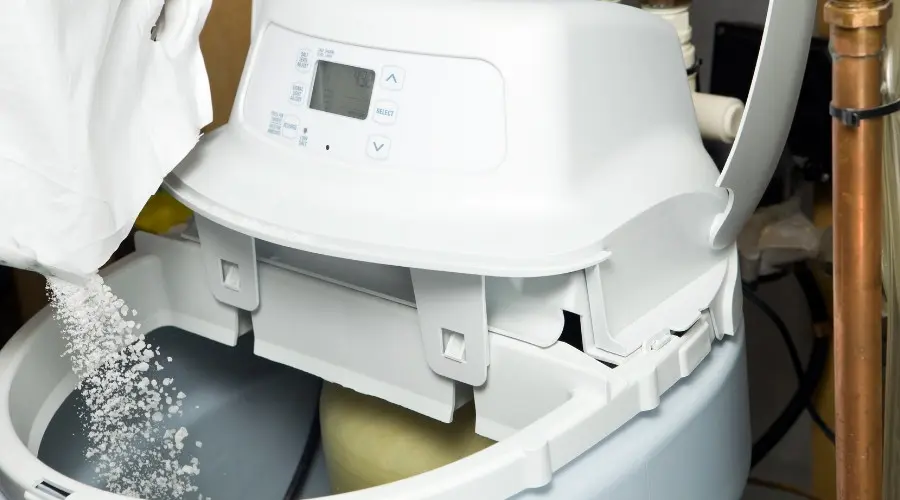
Ion exchange technology is a common method used in water softener systems, where hardness minerals are exchanged for sodium ions. During water softening, hard water passes through a resin tank filled with tiny beads designed to attract calcium and magnesium. This exchange occurs automatically whenever a tap is opened.
As water flows through the resin bed, calcium and magnesium ions adhere to the beads while sodium ions are released into the water stream. This process reduces the minerals that contribute to soap scum and scale accumulation, creating the feel and performance associated with softened water. A water softening system continuously performs this exchange during normal operation.
Over time, the resin beads become saturated with collected minerals and require regeneration. The system then initiates a cleaning cycle that flushes a brine solution through the tank, removing accumulated calcium and magnesium and preparing the resin for continued use. Many systems are designed to regenerate based on usage patterns, helping ensure steady soft water delivery across the home.
Benefits of Whole Home Water Softeners
Installing a water softener system can transform daily life while protecting valuable fixtures and appliances. Hard water minerals tend to create problems that compound, while soft water helps prevent those issues. Many households report improved cleaning effectiveness and reduced mineral buildup on surfaces and fixtures after water softener installation.
Dishes come out of the dishwasher cleaner and free of white film. Laundry feels softer, and colors stay brighter. The time spent scrubbing scale from faucets and showerheads often decreases because deposits form more slowly with soft water in the system.
Personal care and equipment protection improve as well. Hair becomes easier to manage, and skin may feel less dry without mineral residue. A whole-home water softener can also help water heaters, washing machines, and dishwashers operate more efficiently and last longer by minimizing scale buildup within their components, resulting in cost savings. For many properties, water softening brings a noticeable upgrade in both comfort and maintenance routines.
About Meridian Heating, Cooling, Plumbing & Electrical
Meridian Heating, Cooling, Plumbing & Electrical offers trusted plumbing, HVAC, and electrical services to the communities of Lansing and beyond. They provide high-quality products and accurate workmanship from friendly, experienced technicians. Call them today for water softener installation services in Lansing, MI.
We have the manpower to get to your door fast, with a fleet of service vehicles and an in-house team of local experts and technicians.
Relationship Builders
We have built valuable working relationships with the most influential players in the contracting industry and can direct you to the right resource if needed.
Best Brands
We have partnered with leading manufacturers to provide you with the products you need, installed to code by our professional team.


)


)



)

)


)