Why Install a Whole-Home Generator?

How Installing a Standby Generator Can Benefit a Household

Modern households rely on a consistent flow of electricity to maintain safety, communication, and basic comfort. When a power outage occurs, it does more than just cut out the lights. It can halt air conditioning systems, compromise food safety, and leave vulnerable family members who rely on electric medical devices at risk. 

The most reliable defense against these power disruptions is a professional whole-home generator installation. Investing in a standby generator ensures that daily life can continue seamlessly, even when the local electrical grid fails. This post discusses how standby generators work, when they are needed, and the benefits of installing one.

How Standby Generators Work

A standby generator is a generator installed outside the home. Unlike portable generators that require manual setup, a whole-house generator is integrated directly into the home’s electrical system and takes over powering the home automatically when an outage is detected.

Standby generators use an automatic transfer switch that continuously monitors the incoming utility power. The moment it detects a power outage, it signals the generator to start, and within seconds, the whole-home generator takes over the household's electrical needs. This rapid, hands-off operation ensures that critical home systems remain functional without the homeowner needing to lift a finger or venture outside in severe weather. Nobody has to be home at all. When utility power is restored, the automatic transfer switch returns the house to grid power and initiates a controlled shutdown of the unit.

When Is a Generator Installation Needed?

storm A whole house generator installation may be necessary if a household or residents are affected by factors such as:

  • Extreme Weather: Households in regions prone to heavy rain, intense storms, or brutal heatwaves are ideal candidates for a whole-home generator installation. These conditions frequently strain the electrical grid or damage infrastructure, leading to prolonged outages.
  • Frequent Disruptions: If a house experiences a power outage more than a few times a year, a permanent backup solution may become a necessity rather than a luxury.
  • Medical Necessity: For household residents who rely on electric medical devices, such as oxygen concentrators, CPAP machines, or home dialysis equipment, uninterrupted power is vital for health and safety.
  • Flood Prevention: In areas prone to flooding and with a sump pump installed, a whole-house generator installation is crucial to keep sump pumps running during heavy storms or flood events that coincide with an outage, preventing flooding and water damage.

Benefits of a Whole House Generator Installation

fridge A professionally installed standby generator offers immediate and crucial advantages during a power outage. It provides seamless power to the home within seconds through automatic activation, requiring no manual intervention and working even when nobody is home. Furthermore, it keeps essential medical equipment, lighting, and security systems operational for safety, and powers electric heating and AC systems to maintain comfortable indoor temperatures. It also protects food in the refrigerator from spoiling during an outage, which saves money on replacing spoiled groceries.

Beyond protection during an outage, a whole-house generator offers long-term value. It may increase property value and make the home more desirable to prospective buyers. Furthermore, these systems are built for exceptional longevity. With regular maintenance and care, a standby generator installation can protect a home for 20 to 40 years, providing between 1,500 and 3,000 hours of active run time. Finally, modern standby generators operate quietly, producing significantly less noise than portable generators. 

About Meridian Heating, Cooling, Plumbing & Electrical

Meridian Heating, Cooling, Plumbing & Electrical has over four decades of experience serving Lansing and the surrounding areas. They provide fast response, the best brands, and superior customer service. Call for standby generator installation in Lansing, MI. 

Distribution Links +

The Benefits of Installing a Ductless Mini Split System

Why Install a Ductless Mini Split Air Conditioner?

A ductless mini split air conditioner delivers heating and cooling directly to individual rooms instead of pushing air through long runs of ductwork. That design offers an appealing alternative to window units and traditional central systems, especially in older Lansing homes or additions where running new air ducts is costly or impractical. A ductless mini split system pairs a compact outdoor unit with one or more sleek indoor heads, linked by small refrigerant lines. This setup can boost energy efficiency, cut hot and cold spots, and give households more control over indoor temperatures. The sections below look at how a ductless mini split AC system can trim utility costs, why ductless mini split installation is often simpler than central air upgrades, and how multi‑zone configurations allow tailored comfort throughout a house.

Lower Energy Bills

save money Standard forced‑air systems lose cooled or heated air through leaky, poorly insulated air ducts. Every foot of ductwork is another chance for energy to slip away in attics, basements, or wall cavities. A ductless mini split avoids that problem by sending conditioned air straight from the indoor unit into the room, with no long duct runs in between. Minimizing those energy losses supports stronger overall energy efficiency.
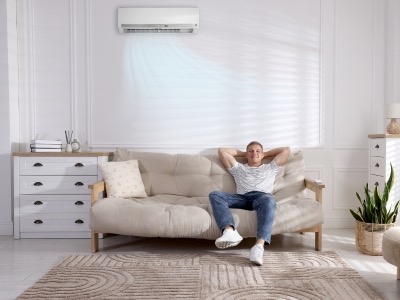
Many ductless mini split systems also use inverter technology that adjusts output instead of constantly cycling on and off. By matching capacity more closely to the current load, the equipment can maintain steady temperatures while using less electricity over time. In a climate like Lansing, where summers are warm and shoulder seasons are mild, a ductless mini split AC system can handle a large share of comfort needs without the operating cost of an oversized central unit.

Easier Installation and Flexibility

Because no full‑size ductwork is required, a ductless mini-split installation is usually less invasive than installing or expanding a conventional central system. Technicians typically mount indoor units high on walls or ceilings and connect them to the outdoor condenser through a small opening that carries refrigerant and communication lines. There is no need to carve out closets or soffits to hide bulky ducts.

This flexibility makes a ductless mini split ideal for:

  • Retrofitting older Lansing houses that were never built with central air
  • Homes that lack space for additional duct chases
  • Room additions, finished attics, and converted garages, where extending ducts would be difficult

Each indoor head can be located to target problem areas, such as sunny upstairs bedrooms or frequently used home offices, without reworking the entire existing system.

Zoning and Customization

acA ductless mini-split system naturally creates multiple zones from a single outdoor unit. Each indoor unit has its own controls, so temperatures can be set differently in separate parts of the house. Bedrooms can stay cooler at night, while living areas remain moderate, and rarely used spaces can be set higher to avoid unnecessary conditioning.

This zoning reduces wasted energy, since the system no longer has to cool or heat every room to the same level all day. It also improves comfort for households where people prefer different temperatures. Rather than fighting over a single thermostat, occupants can adjust their own zones within reasonable ranges. Over the long term, this targeted approach lessens strain on equipment, which may help extend service life while keeping energy use in check.

About Meridian Heating, Cooling, Plumbing & Electrical

Meridian Heating, Cooling, Plumbing & Electrical provides a comprehensive range of plumbing, heating, cooling, and electrical services in Lansing and neighboring areas. They offer fast responses from highly trained technicians, ensuring customer satisfaction on every job. Call them today to schedule a ductless mini split installation in Lansing, MI.

Distribution Links +

Ensure Sump Pumps Are Ready for This Spring

Working Sump Pumps Protect Homes From Flooding and Water Damage

Springtime often brings with it torrential rain that can severely test the resilience of homes. This makes having a fully functional sump pump essential for preventing basement flooding and the subsequent water damage. Investing in professional sump pump installation and regular maintenance can save homeowners from costly repairs and the health risks associated with such damage.

Sump Pumps and Their Benefits Explained

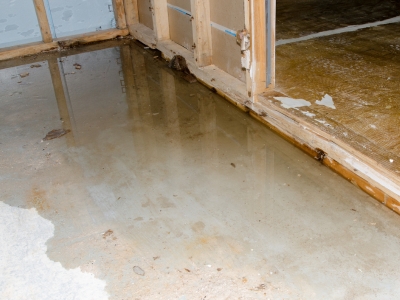
flood Understanding the integral role of sump pumps in safeguarding homes is crucial for homeowners. These devices are primarily installed in basements or crawl spaces to prevent water accumulation. Key benefits of sump pumps include:

  • Flood Prevention: By efficiently directing water away from the home, sump pumps play a critical role in minimizing flood risks. When a sump pump is installed correctly, it acts as a first line of defense against heavy rainfall and rising water tables.
  • Avoiding Water Damage: Water intrusion can lead to severe structural damage. Sump pumps help mitigate the risk by quickly expelling unwanted water from the foundation.
  • Costly Repairs Reduction: Water damage often entails substantial repair costs; however, a reliable sump pump system can prevent many of these expensive problems from arising.
  • Mold Growth Prevention: Damp environments are breeding grounds for mold, which can pose significant health risks. A sump pump is a preventive measure that keeps areas dry and inhibits mold growth.
  • Improved Indoor Air Quality: By preventing mold and mildew, sump pumps help maintain healthier air quality in the home. Excess moisture can compromise air conditions, leading to breathing issues and allergies.
  • Enhanced Property Value: Homes with effective water management systems, like sump pumps, are often more attractive to potential buyers. A well-maintained sump pump can be a selling point, reassuring buyers against possible water intrusion.

A proper understanding of sump pump benefits encourages homeowners to take proactive steps in their home maintenance routines.

How to Make Sure a Sump Pump Works Correctly

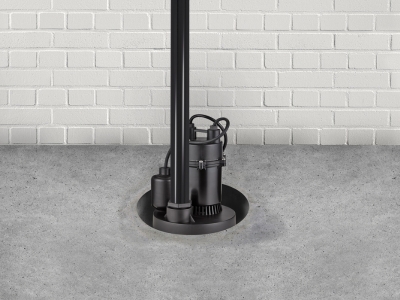
sump pump Ensuring that a sump pump is in perfect working order requires diligence and attention to detail. Homeowners can implement several steps to ascertain their sump pump’s efficiency:

  • Routine Debris Checks: Over time, debris and clogs can impede a sump pump's operation. Regular inspection to clear any obstructions can prevent malfunctions. Observing the sump pit and clearing away any settled particles is a simple yet effective measure.
  • Check the Discharge Line: Ensure the discharge line is not frozen or clogged, as this can prevent the sump pump from operating properly. Regularly verify that it directs water away from the home's foundation.
  • Test the Pump’s Functionality: By pouring water into the sump pit, homeowners can simulate a flood to verify that the pump activates and drains water properly. This simple test can reveal any immediate issues in the pumping mechanism.
  • Verify Power Connections: Make sure the pump is connected to a grounded power supply. Regularly check the power cord for wear and tear, and ensure the pump is plugged in securely.
  • Schedule Professional Maintenance: While some checks are manageable at home, relying on professionals ensures comprehensive sump pump maintenance. Specialists can perform detailed inspections, replacements, and repairs, ensuring the pump’s long-term effectiveness.

Regular checks and professional oversight are essential to maintaining a reliable sump pump system.

Why a Sump Pump Backup May Be Needed

Unforeseen circumstances can still lead to basement flooding despite having a primary sump pump. Thus, experts often recommend installing a sump pump battery backup system as a precautionary measure. The reasons for considering a backup sump pump include:

  • Power Outages: Severe storms can cause power failures, rendering an electric sump pump inoperable. A sump pump backup, usually powered by a battery, ensures functionality during these critical times.
  • Pump Failure: Mechanical failures can occur unexpectedly. A secondary pump provides peace of mind by automatically taking over the critical task of water removal.
  • Increased Water Volume: During particularly harsh weather, the volume of incoming water may exceed a single pump's capacity. A backup system can handle these rare but potentially devastating situations.
  • Peace of Mind for Homeowners: Knowing that a backup system is in place reduces anxiety about potential water damage. Homeowners can rest easy knowing they are prepared for the worst-case scenarios.
  • Insurance Benefits: Some insurance companies offer lower premiums for homes with both primary and backup sump pumps, recognizing the reduced risk of water damage claims.

Ultimately, having a backup sump pump adds an extra layer of security to prevent water intrusion and potential damage.

About Meridian Heating, Cooling, Plumbing & Electrical

Meridian Heating, Cooling, Plumbing & Electrical is a full-service plumbing and HVAC company that understands the unique needs of homeowners. They are available 24/7 and always keep the communication transparent and honest. Call them for sump pump services in East Lansing, MI.

Why Switch to LED Lighting at Home?

Save Money and Energy With LED Lighting Installation and Retrofitting

Lighting makes up a noticeable share of household electricity use, especially in kitchens, living areas, and outdoor spaces that stay illuminated for long periods. Many properties still rely on incandescent or halogen lamps that waste power and burn out quickly. Upgrading to LED lights through focused LED retrofitting or full LED light installation can cut energy costs, reduce maintenance, and improve the look and function of each room. The sections below explain what an LED retrofit is, why LED lighting is such an attractive upgrade, and important details to think through before replacing fixtures or adding an LED dimmer.

What Is an LED Retrofit?

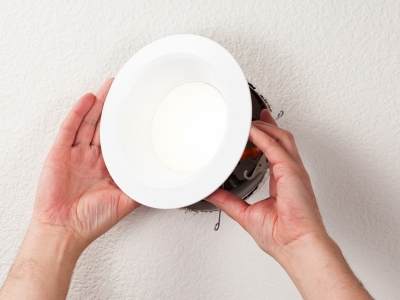
lightingAn LED retrofit is the process of adapting existing lighting so it can operate with LED bulbs rather than older technologies. In simple cases, this may involve removing incandescent lamps and installing compatible LED light bulbs that fit the same sockets and respect fixture wattage limits.

More involved LED retrofitting projects can include:

  • Swapping out trim and drivers in recessed cans
  • Replacing ballasts in some fluorescent fixtures with LED‑ready components
  • Adding dedicated LED fixtures while reusing existing wiring and switch locations

Not every fixture is a good candidate for retrofitting, especially very old, damaged, or poorly ventilated housings. An electrician can evaluate current fixtures, wiring, and controls to determine where LED lighting installation will be straightforward and where a full replacement offers better safety and performance.

Benefits of LED Lighting

lightingSwitching to LED lighting offers a mix of financial and practical advantages. LEDs convert more electrical power into light instead of heat, so fixtures can deliver the same brightness while drawing less energy. Over time, this reduction can noticeably lower utility bills, particularly in high‑use areas such as kitchens, offices, and outdoor security lighting.

LED bulbs are also designed for a much longer service life than traditional lamps, which means fewer ladder trips and fewer replacement purchases. A wide variety of color temperatures and beam patterns makes it easy to tailor illumination for tasks, ambiance, or accent lighting. When paired with a compatible LED dimmer, many fixtures can run at reduced output during evenings or movie nights, trimming electricity use even further while adding flexibility.

Things to Consider When Switching to LED Lights

Most modern LED bulbs are built to fit standard bases, but keeping every old fixture in place can limit options. Some enclosed or very small fixtures do not provide enough ventilation for certain LED bulbs, which can shorten lifespan or cause flicker. Replacing both the fixture and bulb during LED lighting installation opens access to a wider range of purpose‑built LED products, from slim recessed lights to decorative pendants.

Dimming hardware is another key point. Traditional dimmers were engineered for incandescent loads and often do not work correctly with LED lights, leading to buzzing, poor dimming range, or random shut‑offs. In many upgrades, installing a new LED dimmer or compatible smart control is necessary to match the chosen fixtures and LED bulbs. Reviewing fixture ratings, control compatibility, and lighting goals ahead of time helps ensure that each LED retrofit delivers reliable performance, attractive light, and long‑term savings.

About Meridian Heating, Cooling, Plumbing & Electrical

Meridian Heating, Cooling, Plumbing & Electrical collaborates with top brands to provide high-quality plumbing, heating, air conditioning, and electrical services in Lansing and surrounding areas. With a strong commitment to the community and an always-ready approach, they prioritize customer satisfaction in everything they do. Call them today to schedule electrical services in Lansing, MI.

Distribution Links +

Key Advantages of Installing a Modern Heat Pump System

Why a Heat Pump Installation Is Beneficial

Comfortable indoor temperatures depend on equipment that operates efficiently year-round. For many properties, a modern heat pump system offers a smart alternative to separate furnaces and air conditioners. By transferring heat instead of generating it, these systems can reduce energy use, simplify mechanical equipment, and support consistent comfort. This guide explains why a heat pump installation is beneficial, highlighting energy efficiency, combined heating and cooling, and the range of configuration options available.

Energy Efficiency

save money Energy efficiency is one of the clearest reasons to consider a heat pump installation. Traditional electric resistance heaters create heat directly, while a heat pump moves thermal energy using a compressor and fans. That method usually requires less electrical input to deliver the same comfort level, which can help lower monthly utility bills over time.

Modern air source heat pump models often include variable‑speed components that adjust output to match the exact heating or cooling demand. Running steadily at lower speeds instead of cycling on and off reduces waste and keeps temperatures more stable. When properly sized and installed, a heat pump system turns a large share of incoming electrical energy into useful heating or cooling.

Can Provide Both Heating and Cooling

Another major advantage is the ability of one unit to manage both heating and cooling. Instead of supporting a furnace in winter and a separate air conditioner in summer, a single outdoor heat pump and matching indoor equipment can cover the full year. In cold weather, the system behaves like a heater; during hot spells, it operates like a central AC.

This all‑in‑one approach simplifies equipment decisions for new homes and replacement projects. Service visits, filter changes, and thermostat programming focus on one primary system, which can make long‑term upkeep easier to plan and budget.

Various Options

acHeat pumps are available in several formats to match different buildings and comfort goals. A ducted heat pump connects to existing air ducts and distributes conditioned air through supply registers in each room. This style suits homes that already rely on central ductwork.

Where ducts are missing or limited, a ductless heat pump can be an excellent fit. Small indoor wall‑mounted or ceiling‑mounted units serve individual zones, allowing targeted temperature control in key areas. Most residential installations use an air source heat pump, which exchanges heat with outdoor air while offering a wide range of capacities and efficiency ratings.

About Meridian Heating, Cooling, Plumbing & Electrical

Meridian Heating, Cooling, Plumbing & Electrical offers a comprehensive range of plumbing, heating, air conditioning, and electrical services backed by superior customer service in Lansing and the surrounding areas. They partner with the best brands and utilize the latest technology, ensuring that their trusted technicians always provide cutting-edge service. Call them today for heat pump installation in Lansing, MI.

Distribution Links +