The Benefits of Installing a Ductless Mini Split System

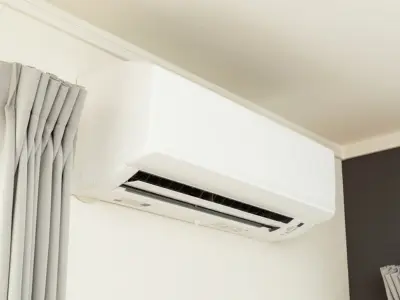
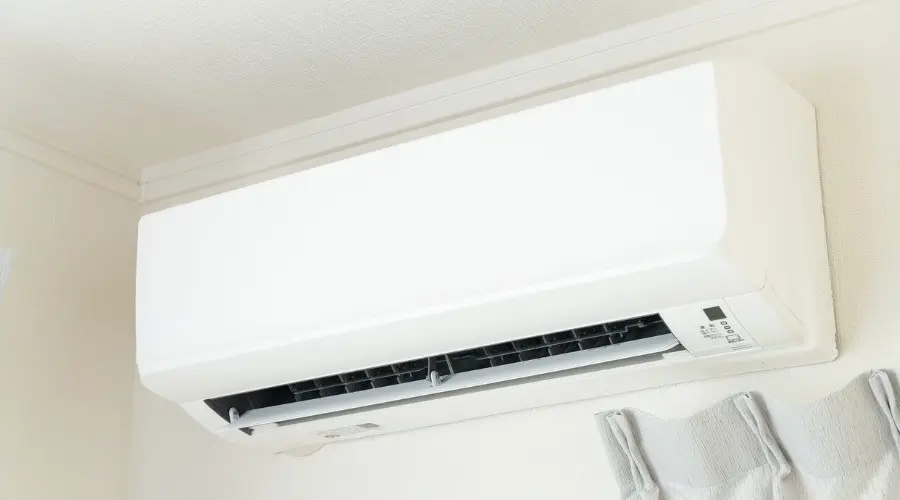
Ductless mini split air conditioner mounted on a wall, illustrating efficient heating and cooling solutions for homes.

Why Install a Ductless Mini Split Air Conditioner?

A ductless mini split air conditioner delivers heating and cooling directly to individual rooms instead of pushing air through long runs of ductwork. That design offers an appealing alternative to window units and traditional central systems, especially in older Lansing homes or additions where running new air ducts is costly or impractical. A ductless mini split system pairs a compact outdoor unit with one or more sleek indoor heads, linked by small refrigerant lines. This setup can boost energy efficiency, cut hot and cold spots, and give households more control over indoor temperatures. The sections below look at how a ductless mini split AC system can trim utility costs, why ductless mini split installation is often simpler than central air upgrades, and how multi‑zone configurations allow tailored comfort throughout a house.

Lower Energy Bills

save money Standard forced‑air systems lose cooled or heated air through leaky, poorly insulated air ducts. Every foot of ductwork is another chance for energy to slip away in attics, basements, or wall cavities. A ductless mini split avoids that problem by sending conditioned air straight from the indoor unit into the room, with no long duct runs in between. Minimizing those energy losses supports stronger overall energy efficiency.

Many ductless mini split systems also use inverter technology that adjusts output instead of constantly cycling on and off. By matching capacity more closely to the current load, the equipment can maintain steady temperatures while using less electricity over time. In a climate like Lansing, where summers are warm and shoulder seasons are mild, a ductless mini split AC system can handle a large share of comfort needs without the operating cost of an oversized central unit.

Easier Installation and Flexibility

Because no full‑size ductwork is required, a ductless mini-split installation is usually less invasive than installing or expanding a conventional central system. Technicians typically mount indoor units high on walls or ceilings and connect them to the outdoor condenser through a small opening that carries refrigerant and communication lines. There is no need to carve out closets or soffits to hide bulky ducts.

This flexibility makes a ductless mini split ideal for:

  • Retrofitting older Lansing houses that were never built with central air
  • Homes that lack space for additional duct chases
  • Room additions, finished attics, and converted garages, where extending ducts would be difficult

Each indoor head can be located to target problem areas, such as sunny upstairs bedrooms or frequently used home offices, without reworking the entire existing system.

Zoning and Customization
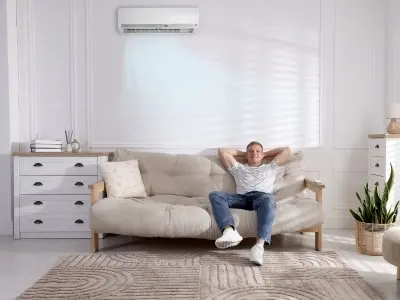
acA ductless mini-split system naturally creates multiple zones from a single outdoor unit. Each indoor unit has its own controls, so temperatures can be set differently in separate parts of the house. Bedrooms can stay cooler at night, while living areas remain moderate, and rarely used spaces can be set higher to avoid unnecessary conditioning.

This zoning reduces wasted energy, since the system no longer has to cool or heat every room to the same level all day. It also improves comfort for households where people prefer different temperatures. Rather than fighting over a single thermostat, occupants can adjust their own zones within reasonable ranges. Over the long term, this targeted approach lessens strain on equipment, which may help extend service life while keeping energy use in check.

About Meridian Heating, Cooling, Plumbing & Electrical

Meridian Heating, Cooling, Plumbing & Electrical provides a comprehensive range of plumbing, heating, cooling, and electrical services in Lansing and neighboring areas. They offer fast responses from highly trained technicians, ensuring customer satisfaction on every job. Call them today to schedule a ductless mini split installation in Lansing, MI.

Key Advantages of Installing a Modern Heat Pump System

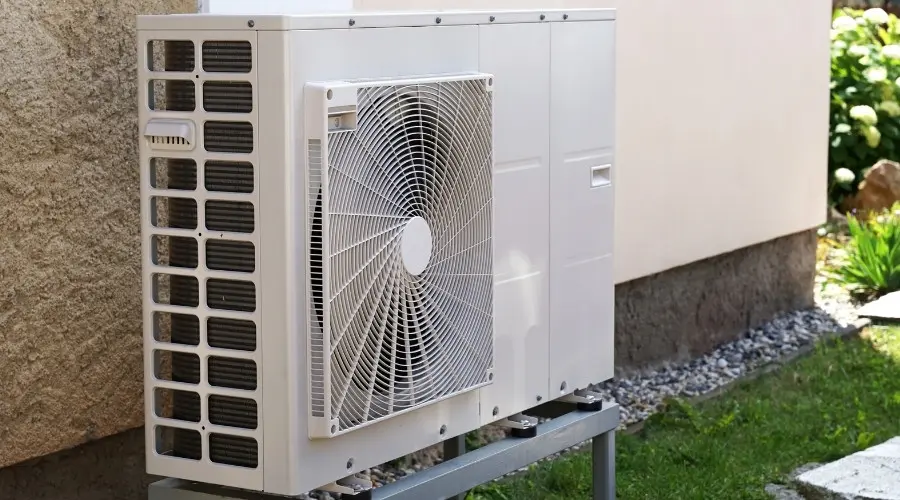
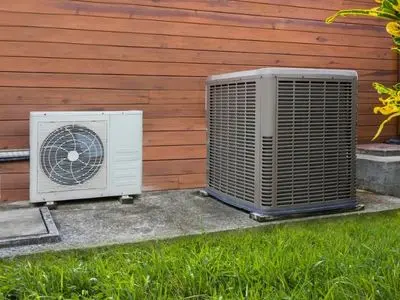
Modern heat pump unit installed outdoors, showcasing energy-efficient heating and cooling technology, relevant to home comfort solutions.

Why a Heat Pump Installation Is Beneficial

Comfortable indoor temperatures depend on equipment that operates efficiently year-round. For many properties, a modern heat pump system offers a smart alternative to separate furnaces and air conditioners. By transferring heat instead of generating it, these systems can reduce energy use, simplify mechanical equipment, and support consistent comfort. This guide explains why a heat pump installation is beneficial, highlighting energy efficiency, combined heating and cooling, and the range of configuration options available.

Energy Efficiency

save money Energy efficiency is one of the clearest reasons to consider a heat pump installation. Traditional electric resistance heaters create heat directly, while a heat pump moves thermal energy using a compressor and fans. That method usually requires less electrical input to deliver the same comfort level, which can help lower monthly utility bills over time.

Modern air source heat pump models often include variable‑speed components that adjust output to match the exact heating or cooling demand. Running steadily at lower speeds instead of cycling on and off reduces waste and keeps temperatures more stable. When properly sized and installed, a heat pump system turns a large share of incoming electrical energy into useful heating or cooling.

Can Provide Both Heating and Cooling

Another major advantage is the ability of one unit to manage both heating and cooling. Instead of supporting a furnace in winter and a separate air conditioner in summer, a single outdoor heat pump and matching indoor equipment can cover the full year. In cold weather, the system behaves like a heater; during hot spells, it operates like a central AC.

This all‑in‑one approach simplifies equipment decisions for new homes and replacement projects. Service visits, filter changes, and thermostat programming focus on one primary system, which can make long‑term upkeep easier to plan and budget.

Various Options

acHeat pumps are available in several formats to match different buildings and comfort goals. A ducted heat pump connects to existing air ducts and distributes conditioned air through supply registers in each room. This style suits homes that already rely on central ductwork.

Where ducts are missing or limited, a ductless heat pump can be an excellent fit. Small indoor wall‑mounted or ceiling‑mounted units serve individual zones, allowing targeted temperature control in key areas. Most residential installations use an air source heat pump, which exchanges heat with outdoor air while offering a wide range of capacities and efficiency ratings.

About Meridian Heating, Cooling, Plumbing & Electrical

Meridian Heating, Cooling, Plumbing & Electrical offers a comprehensive range of plumbing, heating, air conditioning, and electrical services backed by superior customer service in Lansing and the surrounding areas. They partner with the best brands and utilize the latest technology, ensuring that their trusted technicians always provide cutting-edge service. Call them today for heat pump installation in Lansing, MI.

Is a Water Softener System Needed?

Signs of Hard Water and Water Softeners Explained

Considering a water softener installation? Constant battles with soap scum, spotty glassware, and dry skin and hair often point to hard water. This guide helps determine whether a home has hard water and would benefit from installing a water softening system. Explore indicators of hard water and the advantages of water softeners. 

Signs Indicating Hard Water

dry hair Mineral-heavy hard water leaves clear evidence throughout a property that can signal the need for water softener installation. These clues show up in everyday routines and living spaces, making identification relatively straightforward.

A bathroom often reveals the first signs of hard water. Residents may notice dry, brittle hair and dry, itchy skin after showering, while soap scum accumulates quickly on fixtures, shower doors, and tubs. In the kitchen, white spots on dishes and glassware persist despite careful washing, and cloudy film can return soon after cleaning.

Beyond cosmetic issues, hard water can create more serious household problems. Scale buildup inside pipes and water-using appliances may reduce efficiency and shorten service life. Lower water pressure from faucets and showerheads can result from mineral deposits narrowing pipe openings. Laundry can also be affected, with fabrics appearing faded or feeling stiff over time due to mineral interference with detergents. In areas where hard water is common, a water softening solution can make a noticeable difference in daily routines.

How Does a Water Softener Work?

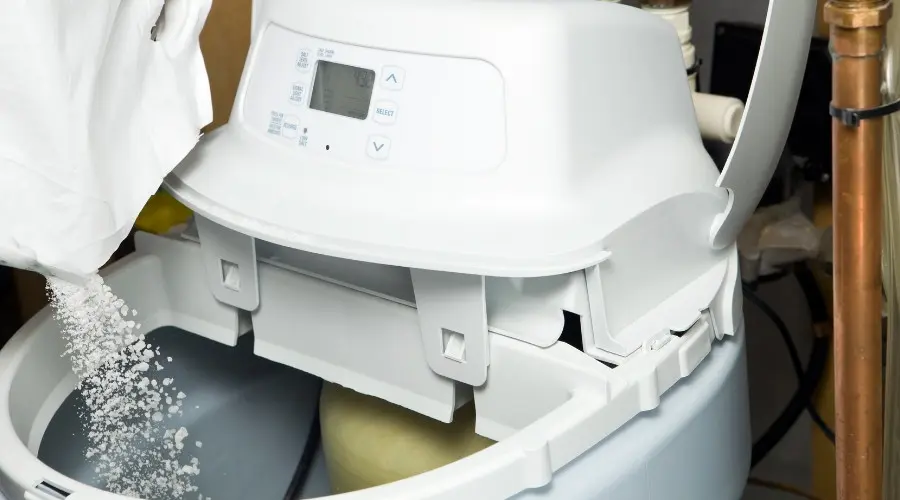
Ion exchange technology is a common method used in water softener systems, where hardness minerals are exchanged for sodium ions. During water softening, hard water passes through a resin tank filled with tiny beads designed to attract calcium and magnesium. This exchange occurs automatically whenever a tap is opened.

As water flows through the resin bed, calcium and magnesium ions adhere to the beads while sodium ions are released into the water stream. This process reduces the minerals that contribute to soap scum and scale accumulation, creating the feel and performance associated with softened water. A water softening system continuously performs this exchange during normal operation.

Over time, the resin beads become saturated with collected minerals and require regeneration. The system then initiates a cleaning cycle that flushes a brine solution through the tank, removing accumulated calcium and magnesium and preparing the resin for continued use. Many systems are designed to regenerate based on usage patterns, helping ensure steady soft water delivery across the home.

Benefits of Whole Home Water Softeners

save money Installing a water softener system can transform daily life while protecting valuable fixtures and appliances. Hard water minerals tend to create problems that compound, while soft water helps prevent those issues. Many households report improved cleaning effectiveness and reduced mineral buildup on surfaces and fixtures after water softener installation.

Dishes come out of the dishwasher cleaner and free of white film. Laundry feels softer, and colors stay brighter. The time spent scrubbing scale from faucets and showerheads often decreases because deposits form more slowly with soft water in the system.

Personal care and equipment protection improve as well. Hair becomes easier to manage, and skin may feel less dry without mineral residue. A whole-home water softener can also help water heaters, washing machines, and dishwashers operate more efficiently and last longer by minimizing scale buildup within their components, resulting in cost savings. For many properties, water softening brings a noticeable upgrade in both comfort and maintenance routines.

About Meridian Heating, Cooling, Plumbing & Electrical

Meridian Heating, Cooling, Plumbing & Electrical offers trusted plumbing, HVAC, and electrical services to the communities of Lansing and beyond. They provide high-quality products and accurate workmanship from friendly, experienced technicians. Call them today for water softener installation services in Lansing, MI.

Enjoy Rebates and Tax Credits For Installing a New HVAC System This Year!

How the Inflation Reduction Act and Rebate Programs Reward Energy-Efficient HVAC Upgrades

For homeowners, few things are more appealing than saving money on utility bills. And for many people, the best way to do that is to replace that clunky, outdated A/C, heat pump, or furnace with a new, more energy-efficient system. After all, HVAC systems consume more energy than any other appliance in the home - and older units tend to be much less efficient due to technological limitations and years of wear & tear.

Of course, not every homeowner is in a position to shell out for a new and improved HVAC system, but thanks to the Inflation Reduction Act signed into law in 2022 and additional tax rebates from companies, that’s about to change! This article will explain how the new bill and companies’ rebates can dramatically cut the cost of installing a new energy-efficient HVAC system - and the benefits that come along with it!

What is the Inflation Reduction Act, and How Can it Help?

The Inflation Reduction Act (IRA) is legislation designed to improve the economy and boost clean energy production. Among its many provisions are various programs that incentivize eco-friendly and energy-saving home improvements by offering tax credits and rebates on things like solar panels, electric vehicles, weather-proofing, appliance upgrades, and high-efficiency HVAC systems.

Homeowners can see massive savings by upgrading to an energy-efficient heating and cooling system - whether in the form of an immediate point-of-sale rebate or a tax credit that they can claim when they file their yearly taxes.

What Kind of Systems Qualify For Rebates and Tax Credits?

HVAC systemsWith the Inflation Reduction Act, heat pumps may be worth up to a $2,000 tax rebate, and gas furnaces and A/Cs up to $600. These incentives only apply to units installed after January 1, 2023 - so there’s no better time than now to upgrade!

Additionally, Lennox's consumer rebate program is available until February 3rd. It gives customers even greater savings of up to $1,700 when purchasing select systems. These rebates can be combined with the Inflation Reduction Act tax incentives of up to $2,000 for heat pumps and $600 for gas furnaces and A/Cs, so homeowners are now in a better position than ever to upgrade their HVAC systems. Keep in mind manufacturer rebates like this do expire. However, they’re often followed by seasonal rebate programs throughout the year. Check with Meridian Heating, Cooling, Plumbing & Electrical for current manufacturer offerings.

In addition to the already mentioned rebates and incentives, local energy companies DTE and BWL are also offering rebates for qualifying appliances like HVAC systems and electric vehicle charging stations. Consumers Energy is also offering rebates up to $1,050. Homeowners can take advantage of these incentives to upgrade their homes and save a significant amount of money with tax credits while saving on energy bills with new, more energy-efficient A/Cs, heaters, or heat pumps.

Benefits of Installing an Energy-Efficient HVAC System

save moneyHomeowners can enjoy tremendous savings by taking advantage of the tax credits and rebates offered by the IRA, Lennox, DTE, BWL, and Consumers Energy - but that’s not the only way they can save. Since qualifying systems are required to be highly energy efficient, homeowners will also see their energy bills go down with the new system.

Installing a new HVAC system or heat pump has many benefits for homeowners. It can help keep the home at a comfortable temperature throughout the year, save them money on energy costs, provide greater energy efficiency, and contribute to healthier indoor air quality.

About Meridian Heating, Cooling, Plumbing & Electrical

Meridian Heating, Cooling, Plumbing & Electrical is a family-owned and local business serving Lansing, MI, and the surrounding areas. They provide full-service solutions, superior customer service, and fast response. Call them today for EV charging station installation or A/C, heat pump, furnace, and heater installation in Lansing, MI.

Have a Speed Dating Session With Your Home Heating System!

Wooden blocks spelling 'STOP' on a neutral background, emphasizing home comfort and HVAC safety tips.

This Valentine’s Day, Learn More About the History of Central Heating

Whether it takes the form of a furnace, boiler, or heat pump, central heating is an integral part of modern life. And yet, many homeowners don’t know much about them beyond the basics of daily operation. This is understandable, as the complexity of these systems makes them seem intimidating and unapproachable. Here are a few fun facts to break the ice and help homeowners better understand and appreciate the marvel of their central heating systems.

Were the Romans the First To Develop Central Heating?

question mark

Systems resembling modern central heating date back as far as thousands of years. In ancient Korea, possibly as early as 1000 BC (or even earlier), a system was used to spread smoke from a cookfire under a room’s flooring and out a chimney on the other side, thereby heating the floor. A few thousand years later, the Romans devised a similar system called a hypocaust, whereby the heat from a furnace would be channeled through a crawlspace beneath a raised floor and up through masonry pipes in the walls.

While the early Korean version could only heat the floor, the Roman hypocaust could heat an entire room and even the upper levels of a building due to the vertical heating vents built into the walls. Due to the expense and labor involved in constructing a hypocaust system, they were typically only found in public bathhouses or homes of very wealthy Romans.

Who Invented the Radiator?

Franz San Galli is widely credited with the invention of the modern radiator. Though he was not the first to conceive of the idea, his 1855 design is the closest to today’s radiators. Before San Galli, numerous inventors and entrepreneurs devised systems to carry steam or hot water from one central boiler to a coil or other configuration of pipes to radiate heat into a given space. 

From the first instances of steam heating in the late 1700s, the idea was revised and improved upon several times over by French, British, and American inventors and engineers. The materials went from steel to cast iron and back again, and the mid-19th century saw the mass production of radiators for residential implementation. Finally, Franz San Galli came along with a superior design that became the basis for the radiators found in homes today.

When Was the First Thermostat Invented?

Dutch inventor Cornelis Drebbel created the first-known mercury thermostat around the year 1620 to control the temperature of a chicken incubation chamber. About two hundred years later, Scottish chemist Andrew Ure devised the first mechanical bi-metallic thermostat, variations of which are still used today. Finally, everything changed when a Swiss inventor named Albert Butz patented the first electric thermostat in 1886.

letters

Central heating and thermostats have come a long way, especially with the recent advent of digital technology, but the principles largely remain the same. Fortunately, they are no longer out-of-reach luxuries or restricted to industrial applications but are a part of everyday life - and certainly not one to be taken for granted. HVAC manufacturers are continually making improvements and innovations, but in the meantime, homeowners can simply make sure their current systems are happy and healthy with proper care and maintenance.

About Meridian Heating, Cooling, Plumbing & Electrical

Meridian Heating, Cooling, Plumbing & Electrical is a full-service home maintenance contractor serving Lansing, Michigan. Since their founding in 1984, their passion for customer service and community care has earned them numerous awards and consistent 5-star ratings across the board. Meridian provides 24-hour emergency service, flexible scheduling, upfront pricing, and a full guarantee on all work performed.