
Signs of Hard Water and Water Softeners Explained
Considering a water softener installation? Constant battles with soap scum, spotty glassware, and dry skin and hair often point to hard water. This guide helps determine whether a home has hard water and would benefit from installing a water softening system. Explore indicators of hard water and the advantages of water softeners.
Signs Indicating Hard Water
 Mineral-heavy hard water leaves clear evidence throughout a property that can signal the need for water softener installation. These clues show up in everyday routines and living spaces, making identification relatively straightforward.
A bathroom often reveals the first signs of hard water. Residents may notice dry, brittle hair and dry, itchy skin after showering, while soap scum accumulates quickly on fixtures, shower doors, and tubs. In the kitchen, white spots on dishes and glassware persist despite careful washing, and cloudy film can return soon after cleaning.
Beyond cosmetic issues, hard water can create more serious household problems. Scale buildup inside pipes and water-using appliances may reduce efficiency and shorten service life. Lower water pressure from faucets and showerheads can result from mineral deposits narrowing pipe openings. Laundry can also be affected, with fabrics appearing faded or feeling stiff over time due to mineral interference with detergents. In areas where hard water is common, a water softening solution can make a noticeable difference in daily routines.
How Does a Water Softener Work?
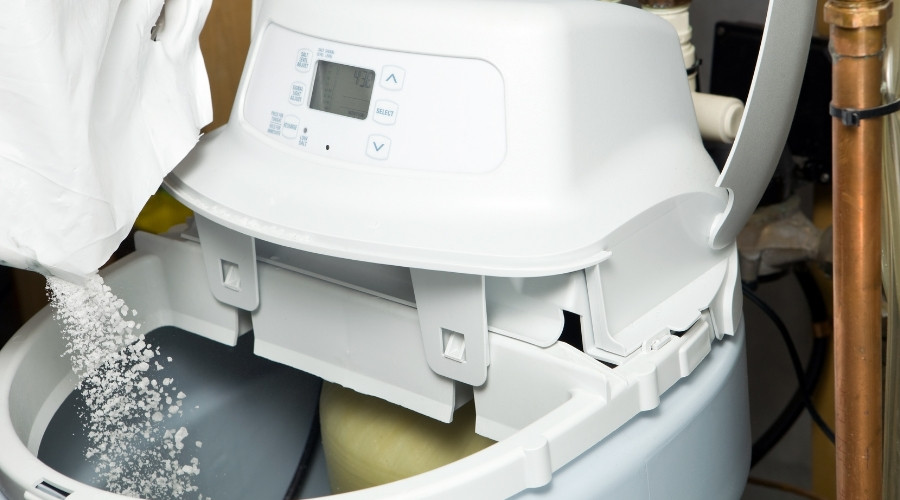
Ion exchange technology is a common method used in water softener systems, where hardness minerals are exchanged for sodium ions. During water softening, hard water passes through a resin tank filled with tiny beads designed to attract calcium and magnesium. This exchange occurs automatically whenever a tap is opened.
As water flows through the resin bed, calcium and magnesium ions adhere to the beads while sodium ions are released into the water stream. This process reduces the minerals that contribute to soap scum and scale accumulation, creating the feel and performance associated with softened water. A water softening system continuously performs this exchange during normal operation.
Over time, the resin beads become saturated with collected minerals and require regeneration. The system then initiates a cleaning cycle that flushes a brine solution through the tank, removing accumulated calcium and magnesium and preparing the resin for continued use. Many systems are designed to regenerate based on usage patterns, helping ensure steady soft water delivery across the home.
Benefits of Whole Home Water Softeners
 Installing a water softener system can transform daily life while protecting valuable fixtures and appliances. Hard water minerals tend to create problems that compound, while soft water helps prevent those issues. Many households report improved cleaning effectiveness and reduced mineral buildup on surfaces and fixtures after water softener installation.
Dishes come out of the dishwasher cleaner and free of white film. Laundry feels softer, and colors stay brighter. The time spent scrubbing scale from faucets and showerheads often decreases because deposits form more slowly with soft water in the system.
Personal care and equipment protection improve as well. Hair becomes easier to manage, and skin may feel less dry without mineral residue. A whole-home water softener can also help water heaters, washing machines, and dishwashers operate more efficiently and last longer by minimizing scale buildup within their components, resulting in cost savings. For many properties, water softening brings a noticeable upgrade in both comfort and maintenance routines.
About Meridian Heating, Cooling, Plumbing & Electrical
Meridian Heating, Cooling, Plumbing & Electrical offers trusted plumbing, HVAC, and electrical services to the communities of Lansing and beyond. They provide high-quality products and accurate workmanship from friendly, experienced technicians. Call them today for water softener installation services in Lansing, MI.
)
Distribution Links +
- https://smb.bogalusadailynews.com
- https://smb.natchezdemocrat.com
- https://smb.orangeleader.com
- https://smb.albertleatribune.com
- https://smb.lobservateur.com
- https://smb.panolian.com
- https://smb.amnews.com
- https://smb.austindailyherald.com
- https://smb.americanpress.com
- https://smb.dailyleader.com
- https://smb.oxfordeagle.com
- https://smb.vicksburgpost.com
- https://smb.bluegrasslive.com
- https://smb.clantonadvertiser.com
- https://smb.demopolistimes.com
- https://smb.elizabethton.com
- https://smb.greenvilleadvocate.com
- https://smb.jessaminejournal.com
- https://smb.leaderpub.com
- https://smb.luvernejournal.com
- https://smb.gatescountyindex.com
- https://smb.ourdavie.com
- https://smb.thecoastlandtimes.com
- https://smb.theinteriorjournal.com
- https://smb.tryondailybulletin.com
- https://smb.salisburypost.com
- https://smb.thewashingtondailynews.com
- https://smb.middlesboronews.com
- https://smb.thepostsearchlight.com
- https://smb.valleytimes-news.com
- https://pr.washingtoncitypaper.com
- https://smb.theleesvilleleader.com
- https://smb.prentissheadlight.com
- https://pr.hattiesburg.com
- https://pr.thembnews.com
- https://pr.stylemg.com
- https://pr.boreal.org
- https://pr.wncbusiness.com
- https://pr.ashlandtownnews.com
- https://pr.norwoodtownnews.com
- https://pr.norfolkwrenthamnews.com
- https://pr.greenvillebusinessmag.com
- https://pr.columbiabusinessmonthly.com
- https://pr.wvcjournal.com
- https://pr.sandyjournal.com
- https://pr.draperjournal.com
- https://pr.murrayjournal.com
- https://pr.cottonwoodheightsjournal.com
- htv10.tv
- central.newschannelnebraska.com
- metro.newschannelnebraska.com
- southeast.newschannelnebraska.com
- northeast.newschannelnebraska.com
- plattevalley.newschannelnebraska.com
- panhandle.newschannelnebraska.com
- rivercountry.newschannelnebraska.com
- lifestyle.mykmlk.com
- lifestyle.3wzfm.com
- lifestyle.southernsportstoday.com
- lifestyle.thepodcastpark.com
- lifestyle.680thefan.com
- lifestyle.xtra1063.com
- lifestyle.953hlf.com
- lifestyle.rewind1019.com
- lifestyle.us983.com
- lifestyle.countrylegends1059.com
- lifestyle.967wshv.com
- lifestyle.1045thedan.com
- lifestyle.kbew98country.com
- lifestyle.kccrradio.com
- lifestyle.capitalcityrock.com
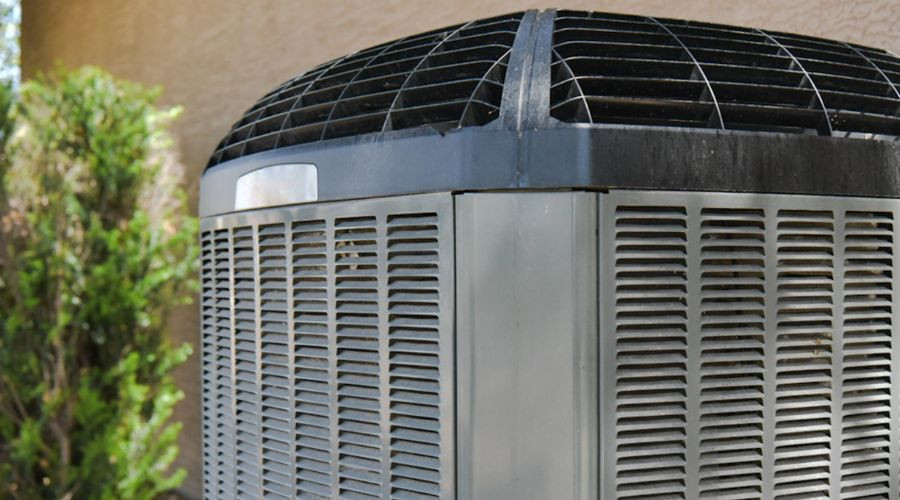
 Replacing an old air conditioner and installing a new one can provide several advantages. Modern AC systems can operate with significantly improved energy efficiency compared to units manufactured even just 10 years ago. Old AC units also lose efficiency as they age, so replacing an old, inefficient unit with a new, more energy-efficient one can improve the home's energy efficiency and reduce energy bills.
  When planning an air conditioner installation or replacement, one of the most crucial decisions involves selecting an AC system for the home. Most homeowners will choose between central air conditioning systems and ductless mini-split systems, each with distinct differences and advantages.
 )
