

Refrigerant and Signs of Refrigerant Issues Explained
Understanding refrigerant and its role in air conditioning systems is essential for maintaining efficient performance and avoiding expensive breakdowns. This guide sheds light on the function of refrigerant and provides practical advice on identifying and preventing common cooling system issues. With expert knowledge, homeowners can ensure optimal comfort and system reliability throughout the warmer months.
How Refrigerant Works in an Air Conditioning System
Refrigerant plays a crucial role in how an air conditioning system cools a space. This chemical compound absorbs heat from inside the home and carries it outside through a continuous cycle of evaporation and condensation. Without it, an air conditioner wouldn't be able to remove heat effectively.
The process begins when liquid refrigerant enters the evaporator coil. As warm air passes over the coil, the refrigerant absorbs that heat and turns into a vapor. This vapor then travels to the compressor, where it's pressurized and moved to the outdoor condenser coil. There, it releases the collected heat and returns to a liquid form. According to the Air Conditioning, Heating, and Refrigeration Institute, a 3-ton residential system can remove up to 36,000 BTUs of heat per hour through this cycle.
As this process repeats, air conditioning refrigerant helps regulate indoor temperatures while maintaining system energy efficiency.
Signs of a Refrigerant Leak or Overcharged Refrigerant
 The amount of refrigerant in a system has a direct impact on its performance. Both low levels—often caused by a refrigerant leak—and high levels due to overcharged refrigerant can lead to reduced comfort and increased energy use.
One of the most noticeable warning signs is warm air coming from vents when the AC is on. Another is a frozen evaporator coil, which suggests that refrigerant may be too low to absorb heat effectively. Other red flags include bubbling or hissing noises near the outdoor unit and visible ice buildup on refrigerant lines, even during hot weather.
Incorrect refrigerant levels also strain the compressor, forcing it to work harder. This added pressure can drive up electricity bills and lead to long-term damage. Suppose the AC runs constantly without reaching the thermostat setting. In that case, the system may require refrigerant leak repair or a professional check to determine whether refrigerant needs to be safely removed or replenished.
How to Avoid Refrigerant Issues
 To avoid problems, refrigerant should only be handled by licensed HVAC professionals. Attempting to refill refrigerant without proper training can result in overcharged refrigerant levels, which can damage the compressor and reduce system efficiency. Certified technicians have the necessary equipment to safely measure and adjust refrigerant levels.
Preventive maintenance is also essential. During a routine AC maintenance visit, a technician can inspect refrigerant lines, clean coils, and check for pressure irregularities. Removing buildup and corrosion helps prevent leaks and extends the unit's lifespan.
Improper refrigerant handling is a leading cause of early AC failures. Professional service ensures compliance with EPA guidelines and supports better long-term performance. Annual maintenance is a smart way to keep systems running smoothly while avoiding surprises during the peak cooling season.
About Meridian Heating, Cooling, Plumbing & Electrical
Meridian Heating, Cooling, Plumbing & Electrical is a community-minded plumbing, heating, cooling, remodeling, and electrical services provider, offering expert assistance to the people of Lansing and the surrounding areas. With superior customer service and fast response times from highly trained technicians, satisfaction is guaranteed. Call now for air conditioning repair and maintenance in Lansing, MI.
)
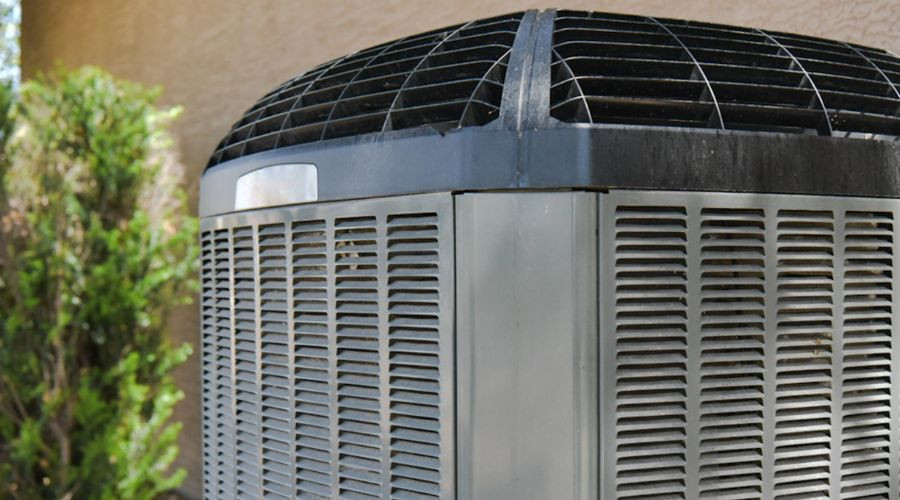
 Replacing an old air conditioner and installing a new one can provide several advantages. Modern AC systems can operate with significantly improved energy efficiency compared to units manufactured even just 10 years ago. Old AC units also lose efficiency as they age, so replacing an old, inefficient unit with a new, more energy-efficient one can improve the home's energy efficiency and reduce energy bills.
  When planning an air conditioner installation or replacement, one of the most crucial decisions involves selecting an AC system for the home. Most homeowners will choose between central air conditioning systems and ductless mini-split systems, each with distinct differences and advantages.
 )
