The Benefits of Installing a Ductless Mini Split System

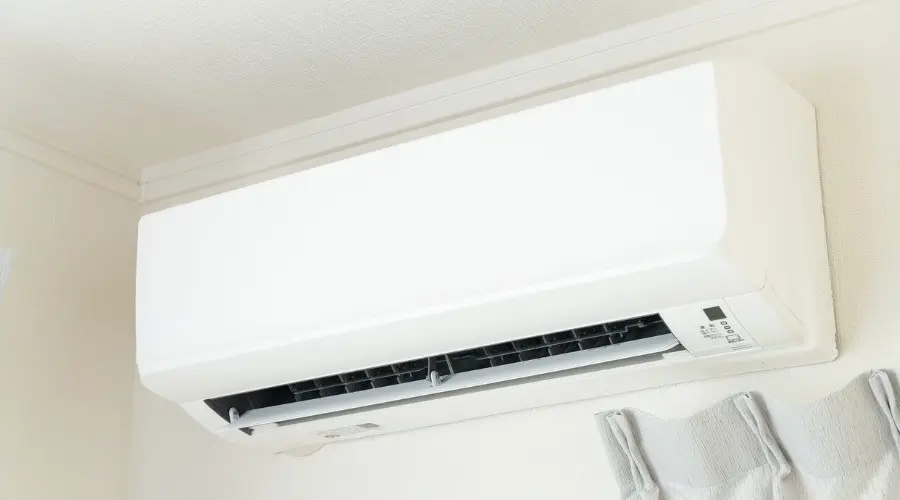
Ductless mini split air conditioner mounted on a wall, illustrating efficient heating and cooling solutions for homes.

Why Install a Ductless Mini Split Air Conditioner?

A ductless mini split air conditioner delivers heating and cooling directly to individual rooms instead of pushing air through long runs of ductwork. That design offers an appealing alternative to window units and traditional central systems, especially in older Lansing homes or additions where running new air ducts is costly or impractical. A ductless mini split system pairs a compact outdoor unit with one or more sleek indoor heads, linked by small refrigerant lines. This setup can boost energy efficiency, cut hot and cold spots, and give households more control over indoor temperatures. The sections below look at how a ductless mini split AC system can trim utility costs, why ductless mini split installation is often simpler than central air upgrades, and how multi‑zone configurations allow tailored comfort throughout a house.

Lower Energy Bills

save money Standard forced‑air systems lose cooled or heated air through leaky, poorly insulated air ducts. Every foot of ductwork is another chance for energy to slip away in attics, basements, or wall cavities. A ductless mini split avoids that problem by sending conditioned air straight from the indoor unit into the room, with no long duct runs in between. Minimizing those energy losses supports stronger overall energy efficiency.

Many ductless mini split systems also use inverter technology that adjusts output instead of constantly cycling on and off. By matching capacity more closely to the current load, the equipment can maintain steady temperatures while using less electricity over time. In a climate like Lansing, where summers are warm and shoulder seasons are mild, a ductless mini split AC system can handle a large share of comfort needs without the operating cost of an oversized central unit.

Easier Installation and Flexibility

Because no full‑size ductwork is required, a ductless mini-split installation is usually less invasive than installing or expanding a conventional central system. Technicians typically mount indoor units high on walls or ceilings and connect them to the outdoor condenser through a small opening that carries refrigerant and communication lines. There is no need to carve out closets or soffits to hide bulky ducts.

This flexibility makes a ductless mini split ideal for:

  • Retrofitting older Lansing houses that were never built with central air
  • Homes that lack space for additional duct chases
  • Room additions, finished attics, and converted garages, where extending ducts would be difficult

Each indoor head can be located to target problem areas, such as sunny upstairs bedrooms or frequently used home offices, without reworking the entire existing system.

Zoning and Customization

acA ductless mini-split system naturally creates multiple zones from a single outdoor unit. Each indoor unit has its own controls, so temperatures can be set differently in separate parts of the house. Bedrooms can stay cooler at night, while living areas remain moderate, and rarely used spaces can be set higher to avoid unnecessary conditioning.

This zoning reduces wasted energy, since the system no longer has to cool or heat every room to the same level all day. It also improves comfort for households where people prefer different temperatures. Rather than fighting over a single thermostat, occupants can adjust their own zones within reasonable ranges. Over the long term, this targeted approach lessens strain on equipment, which may help extend service life while keeping energy use in check.

About Meridian Heating, Cooling, Plumbing & Electrical

Meridian Heating, Cooling, Plumbing & Electrical provides a comprehensive range of plumbing, heating, cooling, and electrical services in Lansing and neighboring areas. They offer fast responses from highly trained technicians, ensuring customer satisfaction on every job. Call them today to schedule a ductless mini split installation in Lansing, MI.

Central AC vs. Ductless Mini Splits

Person in gray sweater contemplating HVAC options next to Bosch wall-mounted and Carrier outdoor air conditioning units.

Choosing the Right Air Conditioning Option for Cooling Your Home

When it’s time for an air conditioning installation or replacement, homeowners will have to make a decision regarding which type of air conditioner to install. This post will explore their air conditioner options for cooling their homes, including central air conditioning and ductless cooling. 

Central Air Conditioning

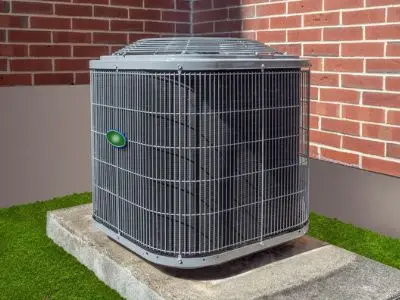
vent A central AC system is the most common form of air conditioning in U.S. homes. These systems use ductwork to distribute the cooled air around the home, making it preferable for cooling larger homes. They are more affordable to install, especially when replacing an existing central air system with ducts.

Central air conditioning systems are also beneficial because they are less visible indoors compared to other types of air conditioners, with only the air vents being visible inside a house’s rooms. The main drawback to central air is that they are not the most efficient option available. 

Ductless Mini Split AC Systems 

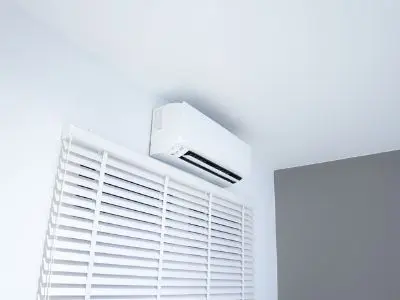
mini splitDuctless air conditioning is another option for cooling homes. Ductless mini splits don’t require air ducts. Instead, they use multiple indoor units to supply the space with cool air. Each of these indoor units can be individually controlled, allowing for more precise temperature control and the ability to save energy in unused rooms. 

These systems are more energy efficient, so although they have a higher initial installation cost than central AC systems, they will cost less to run. Because of their lack of ductwork, ductless mini-split systems are great options for adding air conditioning to older homes without ducts or homes without the space for ductwork to be installed.  

Other Cooling Options

Central air conditioning and ductless mini splits aren’t the only options for air conditioners. However, other options like window air conditioners and portable air conditioners aren’t good options for cooling entire homes. Window AC units and portable AC units are affordable, but only cool the room they are in, so when multiple units have to be purchased to cool a home, this cost adds up quickly and eliminates the benefit of being affordable. 

Portable air conditioners can be moved from room to room, but sit on the floor, taking up valuable floor space and can make a room feel more cluttered. A window unit doesn’t take up floor space, but when installed in a window, the window can’t be opened, and it blocks natural light. 

About Meridian Heating, Cooling, Plumbing & Electrical

Meridian Heating, Cooling, Plumbing & Electrical has been serving the Lansing area since 1984. They provide fast response, highly trained technicians, and high-quality solutions. Call them for air conditioner installation and replacement in Lansing, MI

Central Air Conditioning Vs. Ductless Mini Split Cooling Systems

How To Choose Between a Central or Ductless Air Conditioner

When it comes time to replace that old air conditioning unit after years of service, many homeowners are at a loss for what kind of system to install. Central AC has been the most widely used type of system for decades, but ductless mini-split systems have become increasingly popular in recent years thanks to their advantages. So which one should homeowners choose?

Unfortunately, there’s no cut-and-dry answer. There are many factors to consider, and a system that works for one home may not work for another. So to help homeowners make a more informed decision, this article will outline the advantages and drawbacks of common types of air conditioning systems.

Central Air Conditioner

central ACCentral air conditioning systems involve one large unit that delivers air throughout the home via air ducts. Because of their size and power, they tend to be better for larger homes with many rooms or large open spaces. They also tend to have a lower upfront cost than ductless systems since only one unit is installed rather than several smaller units.

Even though they may have a lower initial cost, central AC systems often come with higher operating costs over time since they cool every room, whether occupied or not, and some energy gets lost in air ducts. And, of course, the air ducts themselves will require periodic maintenance and cleaning.

Ductless Mini-Split Air Conditioner

ductless mini split Ductless mini split air conditioning systems involve smaller units that serve individual rooms. This makes them more expensive initially to install, especially in larger homes that require several units - but they are more efficient, lowering utility bills, and advantageous in terms of zone control. Homeowners can choose to cool only the occupied rooms, dramatically reducing energy consumption, and everyone can set their room to their desired temperature without affecting the rest of the home. Mini-splits also save energy because they avoid the energy losses associated with air ducts.

Another benefit of ductless mini split AC units is their relatively simple installation. Since no ducts are required, mini-split installation generally only involves mounting the indoor blower unit to the wall and running conduits for wiring and refrigerant to the outdoor unit, typically through a small hole in the wall. However, many homeowners find the indoor units unsightly. Mini-splits are a great option for older homes that do not have existing ductwork or the space for it.

Other Kinds of AC Systems

While central and ductless mini-splits are the most common and effective air conditioning systems available, there are a couple of other options that can be useful in certain circumstances: window AC units and portable AC units.

Air conditioning window units are fairly small all-in-one devices that can be mounted inside a window frame. They can be effective for cooling very small homes or individual rooms and are generally very affordable. However, they tend to be somewhat noisy and aren’t exactly discreet.

Portable air conditioners are also quite inexpensive compared to central and mini-split systems, but like window units, they’re generally only suited for individual rooms or small homes. These can be placed virtually anywhere, but they have exhaust hoses that need to be run outside through a window.

All in all, the right air conditioner for the home depends on the household's individual needs and what kind of space it will be serving. Sometimes, homeowners may even want to utilize a combination of these AC systems. Like using a portable AC for a detached garage that isn’t connected to the house’s air conditioning system. Before picking a system, however, it’s always best to consult with a local HVAC professional for expert recommendations!

About Meridian Heating, Cooling, Plumbing & Electrical

Meridian Heating, Cooling, Plumbing & Electrical is a family-owned local business serving the residents of Lansing, MI, and the surrounding areas since 1984. They provide superior customer service, fast response, and tailored solutions. Call them today for heating and air conditioning services in Lansing, MI.