

Why Install a Ductless Mini Split Air Conditioner?
A ductless mini split air conditioner delivers heating and cooling directly to individual rooms instead of pushing air through long runs of ductwork. That design offers an appealing alternative to window units and traditional central systems, especially in older Lansing homes or additions where running new air ducts is costly or impractical. A ductless mini split system pairs a compact outdoor unit with one or more sleek indoor heads, linked by small refrigerant lines. This setup can boost energy efficiency, cut hot and cold spots, and give households more control over indoor temperatures. The sections below look at how a ductless mini split AC system can trim utility costs, why ductless mini split installation is often simpler than central air upgrades, and how multi‑zone configurations allow tailored comfort throughout a house.
Lower Energy Bills
 Standard forced‑air systems lose cooled or heated air through leaky, poorly insulated air ducts. Every foot of ductwork is another chance for energy to slip away in attics, basements, or wall cavities. A ductless mini split avoids that problem by sending conditioned air straight from the indoor unit into the room, with no long duct runs in between. Minimizing those energy losses supports stronger overall energy efficiency.
Many ductless mini split systems also use inverter technology that adjusts output instead of constantly cycling on and off. By matching capacity more closely to the current load, the equipment can maintain steady temperatures while using less electricity over time. In a climate like Lansing, where summers are warm and shoulder seasons are mild, a ductless mini split AC system can handle a large share of comfort needs without the operating cost of an oversized central unit.
Easier Installation and Flexibility
Because no full‑size ductwork is required, a ductless mini-split installation is usually less invasive than installing or expanding a conventional central system. Technicians typically mount indoor units high on walls or ceilings and connect them to the outdoor condenser through a small opening that carries refrigerant and communication lines. There is no need to carve out closets or soffits to hide bulky ducts.
This flexibility makes a ductless mini split ideal for:
- Retrofitting older Lansing houses that were never built with central air
- Homes that lack space for additional duct chases
- Room additions, finished attics, and converted garages, where extending ducts would be difficult
Each indoor head can be located to target problem areas, such as sunny upstairs bedrooms or frequently used home offices, without reworking the entire existing system.
Zoning and Customization
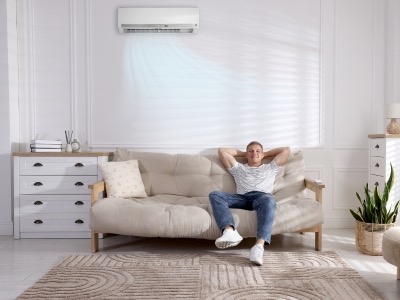 A ductless mini-split system naturally creates multiple zones from a single outdoor unit. Each indoor unit has its own controls, so temperatures can be set differently in separate parts of the house. Bedrooms can stay cooler at night, while living areas remain moderate, and rarely used spaces can be set higher to avoid unnecessary conditioning.
This zoning reduces wasted energy, since the system no longer has to cool or heat every room to the same level all day. It also improves comfort for households where people prefer different temperatures. Rather than fighting over a single thermostat, occupants can adjust their own zones within reasonable ranges. Over the long term, this targeted approach lessens strain on equipment, which may help extend service life while keeping energy use in check.
About Meridian Heating, Cooling, Plumbing & Electrical
Meridian Heating, Cooling, Plumbing & Electrical provides a comprehensive range of plumbing, heating, cooling, and electrical services in Lansing and neighboring areas. They offer fast responses from highly trained technicians, ensuring customer satisfaction on every job. Call them today to schedule a ductless mini split installation in Lansing, MI.
)

 One of the most compelling reasons to invest in an electric vehicle charging station installation is convenience. With a dedicated EV charger at home, an
  Beyond convenience, an EV charging station installation can offer significant cost benefits over time. In many cases, charging an electric car at home is more cost‑effective than relying on public chargers, especially fast‑charging stations that may charge premium rates. When a household can plug into its own electric service, it often gains better predictability and control over fueling costs.
)
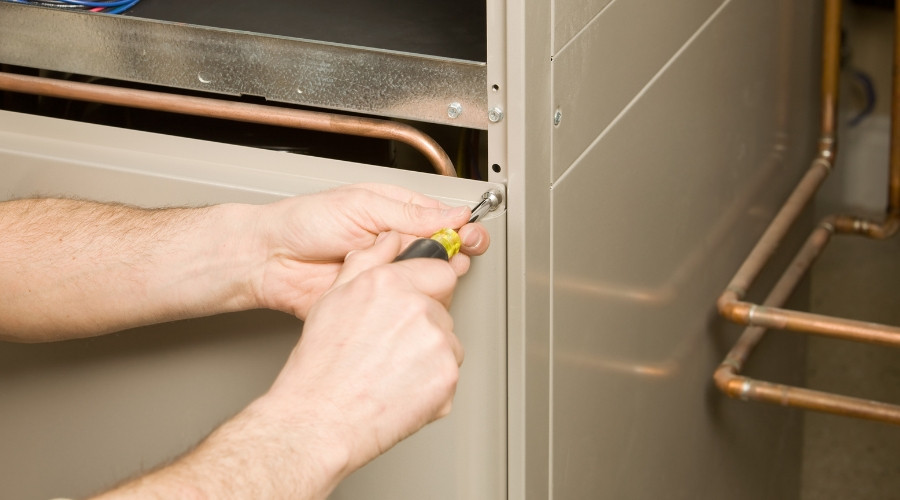
 When a heating system is clean, calibrated, and allowing air to move freely, it doesn’t need to work as hard to deliver comfortable temperatures. Routine heater maintenance focuses on the basics that most affect efficiency: cleaning burners and heat exchangers, checking airflow and temperature rise, and confirming that controls and sensors are set correctly. Small adjustments in a heating system maintenance visit can translate into more consistent comfort with fewer, shorter run cycles.
 Breakdowns rarely happen without warning; they happen when early symptoms go unnoticed. Scheduling furnace maintenance before peak heating demand allows a trained professional to identify wear that could lead to an outage later. Common findings include weak igniters, cracked or brittle belts, intermittent sensors, and failing capacitors—components that can cause nuisance shutdowns when temperatures drop.
)
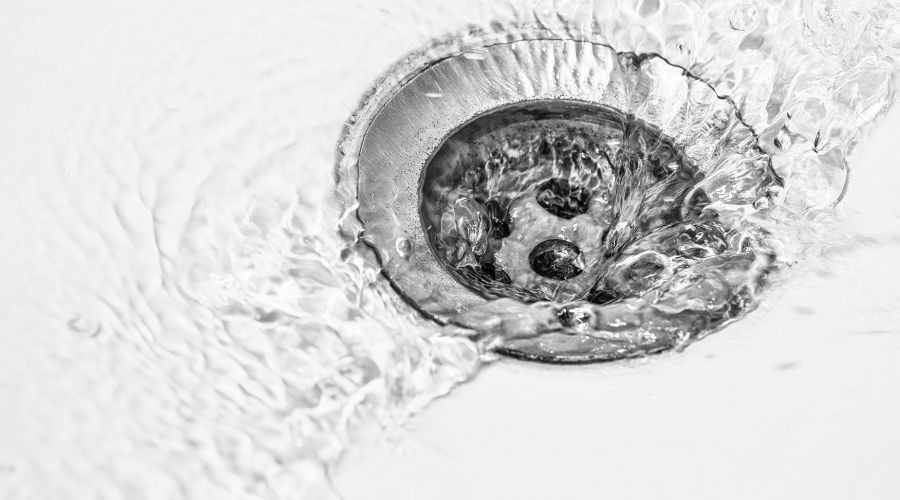
 Hydrojetting is a high-powered drain-cleaning method that uses water pressure between 1,500 and 4,000 PSI to clear stubborn clogs. A professional plumber inserts a hose with a specialized nozzle into the drain, blasting water forward while backward-facing jets scrub pipe walls clean. This 360-degree cleaning action effectively removes debris and buildup, making it far more efficient than traditional snaking methods.
 A plumbing system often provides clear warning signs before a major clog requires professional hydrojetting services. Identifying these early indicators can prevent costly emergency repairs and potential water damage. Slow-draining sinks and showers are among the first red flags, signaling an obstruction in the pipes. When multiple fixtures drain sluggishly, the issue likely stems from a blockage in the main sewer line rather than an isolated drain.
)
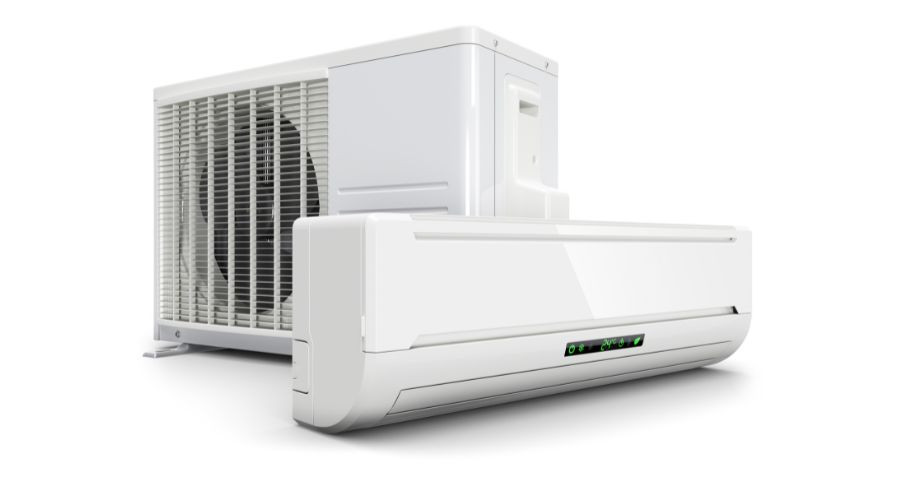
 As it turns out, the ductwork in a central AC system is very inefficient. Not only does it require a huge amount of materials, but the insulation and joints in the system can leak hot or cold air.
  One of the inherent drawbacks of central heating and cooling is that the entire home is uncomfortable for people who don’t control the thermostat. As the home is regulated to a single temperature, most people are too hot or cold, and they can do nothing about it.
 )
