
Green Electrical Tips to Avoid Getting "Pinched" By High Electric Bills

Light bulb glowing in hand with icons, symbolizing innovation in electrical services by The Meridian Company.

3 Tips for Lowering a Home’s Energy Costs

As the prices of everything from eggs to gasoline continue to soar, people are scrambling for ways to cut their spending. They may be looking for ways to save money as well as find energy savings. Since everyone is trying to be greener, below are a few tips for cutting a household’s electric bill and energy usage.

Ceiling Fans Make a Difference 

fanWhile heating and air conditioning systems are made to heat or cool an entire home, ceiling fans can help with air distribution, meaning the HVAC system does not have to work as hard, saving energy and money. Despite fans not being associated with heating, they can be used to help redistribute heat that has risen to the ceiling.

One thing homeowners need to make sure of is the fan blade direction, or they may be working against their heating and cooling systems. When the heat is on for cooler months, fan blades should rotate clockwise, and during the warmer seasons, when the AC is on, they should rotate counterclockwise to achieve the best results. 

Keep Lights and Appliances Off When Not in Use

lightKeeping lights turned off and appliances unplugged when no one uses them has been advised for decades. Homeowners can significantly impact energy costs by turning off lights and appliances when not in use or when natural light is available. Doing so reduces the amount of electricity pulled from the grid, saving money and helping reduce greenhouse gas emissions associated with power generation. 

It is important to remember that even small habit changes like this can make a difference. Additionally, switching to more energy-efficient lights and appliances is another way to reduce energy consumption and costs while helping the environment.

Upgrade Lightbulbs to LEDs

It’s time to upgrade the lights if homeowners still use those old incandescent bulbs. LED lights are the most energy-efficient and rapidly-developing lighting technology in today’s market and have improved on incandescent bulbs in several ways. LED lighting uses at least 75% less energy and lasts up to 25 times longer than incandescent. 

LED lights also give off very little heat compared to incandescent bulbs which release 90% of their energy as heat. This means that LED lightbulbs are unlikely to catch on fire, making the home safer than it would be with incandescent lights as well as reducing energy usage and bills. 

About Meridian Heating, Cooling, Plumbing & Electrical

Meridian Heating, Cooling, Plumbing & Electrical is a local, family-owned business serving East Lansing and the surrounding communities. They provide fast response, full-service solutions, and a satisfaction guarantee. Call them today for plumbing, heating, AC, remodeling, or electrical services in Lansing, MI. 

Distribution Links +

Household Electrical Hazards You Can Avoid

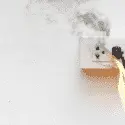
Electrical outlet with smoke and flames, indicating a fire hazard in a residential property.

3 Common Electrical Hazards Most Houses Have

Between smartphones, electric stoves, dryers, and all the other electrical appliances of the modern age, it’s hard to imagine a world without electricity. But the benefits of electricity don’t come without their risks. There are an estimated 51,000 home fires caused by electrical hazards every year, and most of those fires are preventable with the right knowledge. Keep reading to learn about three common electrical hazards found in the average home, and how to prevent them from becoming a big problem.

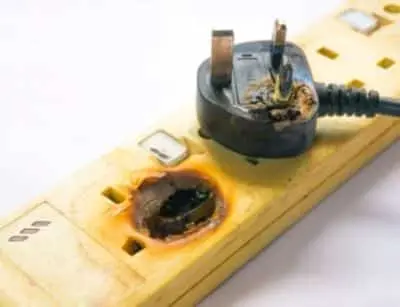
The Most Common: Overloaded Power StripsOverloaded power strip with burned socket and damaged plug, illustrating common electrical hazards in homes.

Every home in America is guilty of overloading power strips. It just happens! Plugging in phones, computers, TVs, and other appliances can take up all the outlets in a home, so people resort to overtaxing a powerstrip for extra bandwidth. 

When is a powerstrip overloaded? Power strips have a maximum amount of amps they can handle, usually under 12. Any amount of appliances plugged in that use more than 12 amps can overload a power strip. For perspective, a toaster and a coffee maker usually use about 20 amps of energy. It’s better to underload a power strip, to prevent any melting or burning that can arise from electrical surges. If calculating amps and wattage aren’t possible while using a power strip, a good rule of thumb is to avoid using more than half of the outlets on the strip itself.

The Oldest Issue: Poor or Outdated Wiring

Historic homes may come with unique features and beautiful architecture, but they also come with a danger hidden in the walls: old wires. Homes more than a few decades old aren’t set up to handle modern electrical needs. The average modern home can handle 200 amps of electricity, but most older homes can only manage a fourth of that or around 60 amps. 

Additionally, homes older than 20 years are usually fitted with frayed, poorly insulated wiring and fuses. Worn-down wire insulation, broken fuses, or overworked old wires can lead to electrical fires. Because of this trend, older homes should be inspected for outdated wiring. The only solution for old wiring is to have an electrician run new wires throughout the home that can handle the needs of modern technology.

The Easy Mistake: Using the Wrong Light BulbsLight bulb on a white background, symbolizing the importance of choosing the correct wattage and type to prevent electrical hazards in older homes.

Most people don’t think there’s such a thing as using the wrong light bulb, but there most definitely is! Using a light bulb with too high of wattage can lead to overheating of the lightbulb itself. The result can mean melted light sockets and damage to wiring and wiring insulation connected to the socket. What’s more, using the wrong type of light bulb can send electric bills through the roof and contribute to energy waste in the home.

Preventing electrical disasters isn’t rocket science. Homeowners can watch out for these common electrical hazards and stop them from harming their homes. Of course, if professional help is needed, contact a local electrician for assistance.

About Meridian Heating, Cooling, Plumbing & Electrical 

The people of Lansing know that when electrical problems come calling, Meridian Heating, Cooling, Plumbing & Electrical is ready to fix them! For over three decades, their reliable experts have been providing 24/7 electrical support to their community. They guarantee satisfied customers and top-of-the-line work with every project. Call today for reliable electric service in Lansing, MI.

Avoid Becoming a Clown By Falling For Common DIY Plumbing Mistakes

Distressed red warning sign about sewer backups from The Meridian Company, emphasizing plumbing maintenance.

Stay Away From These DIY Plumbing Mistakes

The only clown any person wants to see around their house in October is someone trick-or-treating. Homeowners that clown around with trying to fix plumbing mistakes can lead to big problems.

To avoid looking like a clown, this article will cover the three common mistakes many homeowners make when trying their hand at DIY plumbing system repairs. Not only are they easy to avoid, but there are also better alternatives that work.

Spooky Drain Cleaners

Warning sign emphasizing caution against using drain cleaners for plumbing issues, highlighting potential risks and damage to plumbing systems.Many homeowners make the mistake of immediately purchasing drain cleaners when there seems to be a clog. Drain cleaners can often cause more problems than the homeowner initially anticipated. If the liquid cleaner doesn't solve the clogging issue, there is a good chance that the trap arm will be filled with caustic, corrosive drain cleaner.

The metal traps and pipes can be damaged by too much drain cleaner, which will lead to leaks. Drain cleaners also can destroy the rubber gasket in drain line couplings. This will also lead to a leak, which will cost the homeowner a lot more money.

The easiest way to take care of a sink clog is to use a snake or a drain cleaning tool. If the homeowner is confident in their skills, they can remove the P-trap and pour out the clog themselves. Or, consider having someone look at it before making any decisions.

Over-Tightening Bolt Nightmares

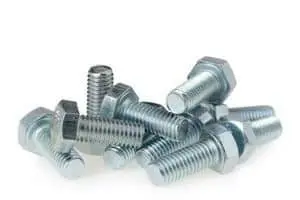
Another prevalent mistake DIY homeowners make is over-tightening bolts. If the bolt is cranked too tight on a pipe, coupling, elbow or tee, the fitting is at serious risk of being cracked.

What is more frightening is that the crack may not happen right away. The excessive force will build up pressure and break the fitting weeks causing a stunning flood. No one wants to see an entire valve system break!

Pile of metal bolts emphasizing the risk of over-tightening in plumbing projects, highlighting common DIY mistakes related to plumbing fittings.

The same can be said for tightening plastic fittings on the toilet and faucet supply tubes. A supply tube can be tightened relatively easily. Homeowners are urged to be gentle with this tightening.

Results may not be shown right away, but a water leak will burst once the pressure builds up too much. The porcelain on your toilet could also be destroyed by over-tightening.

Plumbing Tape Terrors

Person applying plumbing tape to a pipe fitting, demonstrating proper technique for DIY plumbing projects related to avoiding leaks and ensuring secure seals.Many DIY homeowners make catastrophic mistakes with plumbing tape. They tend to wrap the tape counterclockwise, which is incorrect. By doing so, the tape unwinds from the thread as they tighten the fitting. The tape won't be able to seal because it won't be embedded in the threads.

It is also essential to make sure that homeowners are using the proper kind of tape. PTFE thread tape, which is commonly referred to as Teflon tape, should be used in plumbing situations. Thin white or thick pink thread should be used for fittings that carry water.

When wrapping, DIYers should wrap three times around the threads. The last wrap should face to the left as they screw the pipe into the fitting. The last wrap should never be pointing to the right. If so, it will need to be redone.

About Meridian Heating, Cooling, Plumbing & Electrical

The most trusted name in-home services, Meridian Heating, Cooling, Plumbing & Electrical prides itself in connecting with their community through Lansing, East Lansing, and surrounding Ingham County. They believe in open communication and are transparent and honest with their customers.

Their team specializes in plumbing, heating, and cooling while always being committed to providing the best services that reach beyond their customers' expectations.