

3 Types of Outlets and Their Advantages
Confusion around outlet types is common during renovations and upgrades. This guide explains how different electrical outlets serve everyday needs, making it easier to select safe, code-compliant options. With clear insights into AFCI outlet, GFCI outlet, and tamper-resistant outlet applications, decisions around outlet installation become simpler and more efficient.
AFCI Outlets
 Arc Fault Circuit Interrupter (AFCI) outlets help prevent electrical fires by detecting dangerous arcing and shutting off power instantly. An AFCI outlet continuously monitors current patterns and responds to abnormal signatures before overheating or ignition occurs. Unlike traditional breakers that respond mainly to overloads, these devices offer advanced arc fault protection across connected wiring and the electrical outlet itself.
Current electrical codes require AFCI protection in many living areas, including bedrooms, family rooms, and similar spaces. During major upgrades or new electrical outlet installation, combination AFCI devices are often recommended to protect both the outlet and downstream circuits. For remodels and electrical outlet installation in older properties, adding AFCI coverage enhances fire prevention while reducing nuisance trips found in earlier technologies.
GFCI Outlets
 Ground Fault Circuit Interrupter (GFCI) outlets protect against electric shock by shutting off power within milliseconds when a ground fault is detected. A GFCI outlet constantly compares current between hot and neutral conductors and trips on tiny imbalances, often as little as 4–6 milliamps. These safety devices are essential where moisture and electricity may interact.
Code requires GFCI protection in bathrooms, kitchens, laundry areas, garages, unfinished basements, exteriors, and around pools or spas. Installing a GFCI outlet helps reduce electrocution risks associated with wet conditions, damaged cords, or deteriorating insulation. Professional electrical outlet installation ensures correct line/load wiring, placement, and testing—especially important for workshops, utility rooms, and outdoor receptacles.
Childproof Outlets
Tamper-resistant outlets—commonly called childproof outlets—feature internal spring-loaded shutters that open only when equal pressure is applied to both slots, as with a standard plug. This design prevents the insertion of small objects and provides continuous protection without removable caps. A tamper-resistant outlet resets automatically after each use, offering a permanent safeguard built into the electrical outlet.
The National Electrical Code requires tamper-resistant outlet installation in most residential spaces, including bedrooms, living rooms, dining rooms, kitchens, and bathrooms. For households with young children or frequent child visitors, retrofitting older receptacles with childproof outlet designs significantly improves safety. During broader electrical outlet installation projects, upgrading to tamper-resistant versions is a practical step that aligns with modern codes and reduces risk throughout the home.
In summary, the right outlet choice depends on location and hazard exposure: an AFCI outlet for arc fault protection in living areas, a GFCI outlet for shock protection in wet or damp zones, and a tamper-resistant outlet for built-in child safety. Coordinated outlet installation or full electrical outlet installation ensures each outlet type is used where it offers the most protection and performance.
About Meridian Heating, Cooling, Plumbing & Electrical
Meridian Heating, Cooling, Plumbing & Electrical proudly provides unbeatable plumbing, heating, cooling, and electrical services in Lansing and the surrounding areas. They guarantee fast response from trusted technicians and leading technology from the best brands. Call today for electrical outlet services in Lansing, MI.
)

 The amount of refrigerant in a system has a direct impact on its performance. Both low levels—often caused by a refrigerant leak—and high levels due to overcharged refrigerant can lead to reduced comfort and increased energy use.
 To avoid problems, refrigerant should only be handled by licensed HVAC professionals. Attempting to refill refrigerant without proper training can result in overcharged refrigerant levels, which can damage the compressor and reduce system efficiency. Certified technicians have the necessary equipment to safely measure and adjust refrigerant levels.
)

 Besides water bills, homeowners should be aware of other physical and sensory signs that reveal the presence of a water leak.
 The
The )
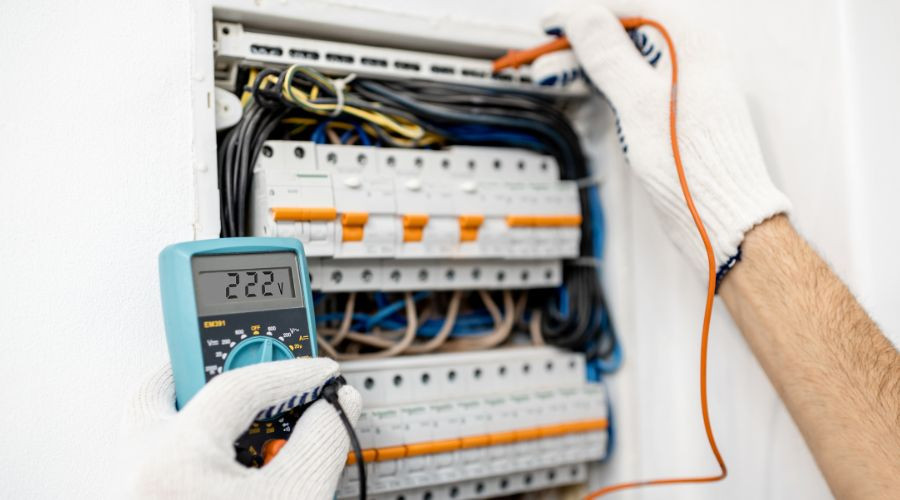
 Regular electrical safety inspections provide homeowners with crucial peace of mind while protecting their property from hidden dangers. These professional assessments allow electricians to identify and
  Professional electricians thoroughly check electrical components during electrical safety inspections to identify potential hazards before they become dangerous problems. During these comprehensive evaluations, electrical contractors examine numerous components throughout a home's electrical system to ensure everything operates safely and meets current electrical codes. They meticulously check electrical outlets, switches, wiring, the electrical panel, circuits, and more.
 )
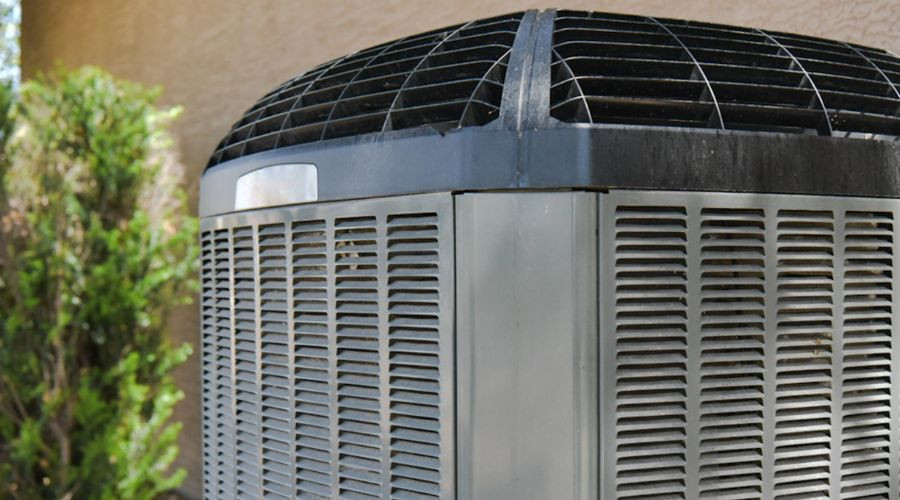
 Replacing an old air conditioner and installing a new one can provide several advantages. Modern AC systems can operate with significantly improved energy efficiency compared to units manufactured even just 10 years ago. Old AC units also lose efficiency as they age, so replacing an old, inefficient unit with a new, more energy-efficient one can improve the home's energy efficiency and reduce energy bills.
  When planning an air conditioner installation or replacement, one of the most crucial decisions involves selecting an AC system for the home. Most homeowners will choose between central air conditioning systems and ductless mini-split systems, each with distinct differences and advantages.
 )
