

Easy Bedroom Upgrades: Choosing a Cooling System
Tiny homes are a fun new trend that encourages people to downsize and live modestly. However, even tiny homes can heat up under the summer sun. Whether you live in a tiny home, a small house, or a large home, you probably like a cool bedroom to sleep in each night.
After a long day, it’s soothing to fall asleep with cool air blowing across your face. Customizable cooling is popular among frugal homeowners and those who are particular about their temperature.
In this article, we’ll talk about portable air conditioners, ductless HVAC systems, and smart thermostats so you can decide which offers the ideal level of customization for your space.
Should You Choose a Portable Air Conditioner?
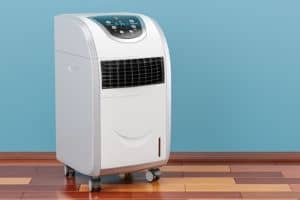 Portable air conditioners are a simple way to cool a single room in your home because they’re mobile and easy to install and use.
They’re larger than window units, but they can cool a large room, so one unit might be all that you need to keep a tiny or small home comfortable all summer long.
The primary downside of portable air conditioners is their size and that they sit entirely inside your room. Plus, they have an exhaust hose that needs to vent out a window. The AC needs to sit a couple of feet away from the wall to allow proper airflow, so if you live in a tiny home that’s packed full, it might not be the best option for you.
If you value environmentally-friendly technology, several companies offer high-efficiency portable units. Many are also programmable, so you can schedule when the unit should turn off and on, perhaps to coincide with your work schedule.
Some companies sell dual units that can cool and heat, so you’d only need to purchase a single unit to control the temperature in your bedroom or tiny house year-round. For a small or tiny home, this is a really attractive feature because it reduces the number of appliances that you need to store.
Should You Choose a Ductless HVAC System?
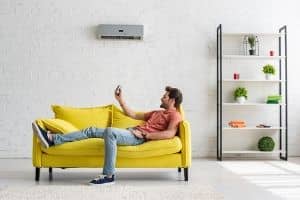 Ductless HVAC systems are great for cooling rooms that the central air conditioner does not reach. If you have a sunroom that holds in heat, or if you’ve added on to your home, ductless HVACs are a smart way to cool the space without having to revamp your entire cooling system.
Ductless HVAC systems are more expensive up-front than portable AC units, but they’re extremely energy efficient and pay for themselves after a few years.
Also, they’re mounted high on the wall, so you don’t lose any floor space as you do with portable units. If you have people in your home that like their bedrooms to be very different temperatures, ductless HVAC systems allow them to set their bedroom to their ideal temperature. No more fighting over the thermostat!
Should You Choose a Smart Thermostat?
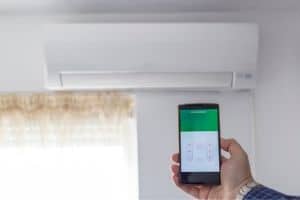 Smart thermostats work in homes that already have a central heating and cooling system. They’re convenient and easy to use; you can control the temperature from an app on your phone!
You can set a schedule manually, or you can let your smart thermostat learn from your movement and predict your schedule. You can install either sensor-based or system-based zones.
Sensor-based zones work well if you want just one central thermostat for your home. Sensors in each room detect when someone has walked in, and they heat and cool based on the occupancy of the room. System-based zones let you put thermostats in multiple rooms and control them separately.
These are an excellent choice if you have a large family and each person wants control over their space. They also work great if you have a large home but a small family. You can keep unoccupied bedrooms set to a different temperature than the rooms you regularly use.
If you know that you need to cool some of the rooms in your home, but you’re still not sure which system is right for you, schedule a consultation. We’d be happy to help you select the right system and install it for you.

 If you smell something akin to rotten eggs in your house (assuming, of course, that you don't have actual rotten eggs in your home) the smell is likely coming from a gas leak in your HVAC system.
  A musty smell coming from the air vents around your home may signify an accumulation of moisture in your air ducts, making them a breeding ground for mold.
  If you smell something in your HVAC system burning the first time you turn it on in a while, there’s nothing to worry about. The smell is probably coming from an accumulation of dust that has settled in various areas of your heating unit over the summer.
 Before we get into it, the best way you can help yourself is by contacting an HVAC specialist and requesting an inspection of both your furnace and air conditioner.
 There are a number of reasons you may want to replace these HVAC devices at the same time, and they include:
 It's not always the right choice to replace both of these HVAC devices at the same time.